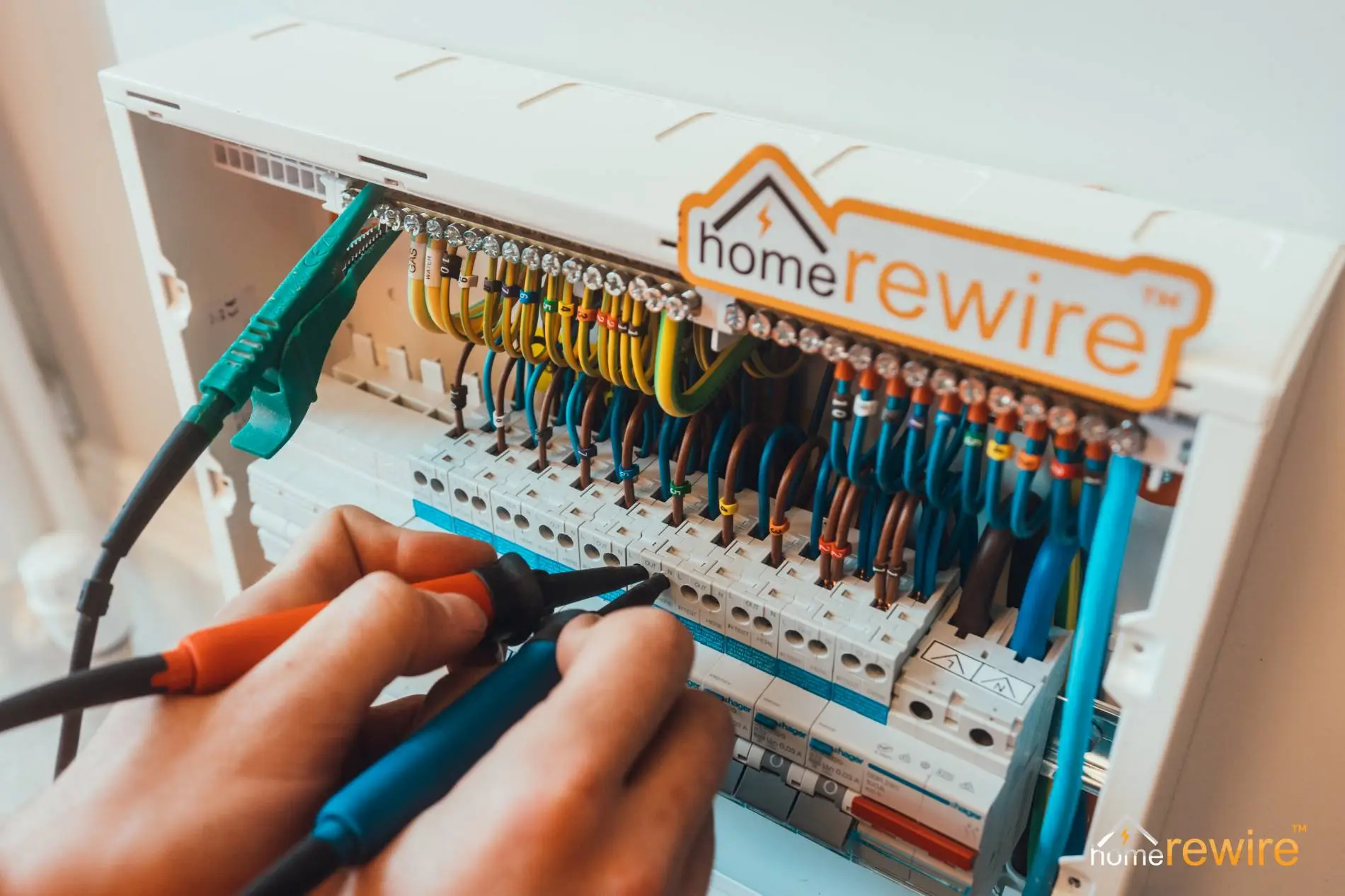
You’ve got a flickering light, a tripped circuit, or sockets that have stopped working. So you call an electrician. Before they’ve even looked at the problem, you’re already paying just for them showing up. That’s the call out fee — and if you’ve never hired a spark before, it can come as a surprise.
This guide breaks down exactly what you’re paying for, what’s reasonable, what’s not, and when a call out isn’t actually the fix your property needs.
Electrician Call Out Fees in Scotland in 2026
Prices vary depending on where you are, the time of day, and whether it’s an emergency. Here’s a realistic picture of what to expect across Scotland:
| Scenario | Typical Call Out Fee | Hourly Rate on Top |
| Standard daytime (Mon–Fri) | £50–£100 | £45–£60 per hour |
| Evening or weekend | £75–£120 | £70–£90 per hour |
| Emergency / out-of-hours | £100–£150+ | £80–£110 per hour |
| Fault-finding visit (Edinburgh) | £95 fixed | Included |
| Emergency visit (Edinburgh) | £145 fixed | Included |
Electricians in Glasgow and Edinburgh tend to sit at the lower end of UK pricing compared to London, where call out fees can push toward £100–£180 for an emergency. Rural parts of Scotland may see higher charges due to increased travel distances.
What Affects the Call Out Fee?
Several things push that number up or down, and knowing them in advance means you’re less likely to be caught off guard when the invoice lands.
Time of Day and Day of Week
Standard hours mean standard rates. The moment you call outside 9–5 Monday to Friday, expect the fee to climb. Bank holidays are the most expensive time to need an electrician — some contractors charge double their usual rate.
Distance and Location
An electrician based in Glasgow city centre will charge less to travel to a nearby tenement flat than one driving in from a surrounding town. Remote properties in Highland Scotland, Aberdeenshire, or rural Perthshire can face surcharges purely based on mileage.
Whether It’s a Genuine Emergency
“Emergency” means different things to different contractors. A total loss of power or a burning smell warrants it. A light fitting that’s been flickering for three weeks probably doesn’t. If it can wait until the morning, it should. You’ll pay significantly less.
The Electrician’s Business Model
A sole trader working alone prices differently from a larger operation. Some absorb the call out fee into a flat minimum charge. Others list it separately and then charge by the hour on top. Neither approach is inherently unfair, just know which model you’re dealing with before you agree.
What Happens After the Call Out Fee?
Once they’re on site, you’re typically paying by the hour. For small jobs like replacing a socket, swapping a light fitting, or checking a tripped breaker, one to two hours of labour is usually enough. More involved fault-finding work can take longer.
Here’s roughly what common electrical jobs cost in total (call out and labour combined):
| Job | Estimated Total Cost |
| Socket installation | £55–£75 |
| Light fitting replacement | £55–£75 |
| Fault-finding (1–2 hrs) | £150–£250 |
| Consumer unit replacement | £450–£800 |
| EICR (2 bed property) | £170 approx |
| Full house rewire (2 bed) | £3,900–£5,000 |
When a Call Out Fee Is a Red Flag
A call out fee is completely normal. What isn’t normal:
- Being charged a call out fee and then quoted an entirely separate minimum charge on top
- No breakdown provided before work starts
- A verbal quote that mysteriously rises once the job is done
- An “emergency” premium applied to a job that was booked the day before
Always ask before they turn up: is the call out fee included in the first hour, or on top of it? What’s the minimum charge? Do you charge extra for parking or materials? A straightforward electrician won’t hesitate to answer any of those.
When Repeated Call Outs Signal a Bigger Problem
Here’s the thing most electricians won’t tell you on the first visit: if you’re calling them out regularly for the same kinds of faults, you may not have a fault. You may have an outdated wiring system.
Properties built before the 1970s, and many built into the 1990s may still be running on wiring that’s approaching or past the end of its safe lifespan. Rewired rubber or fabric-insulated cable, old radial circuits, outdated consumer units. These systems don’t just fail once.
They keep failing. And every call out fee adds to a running total that, over time, often adds up to the cost of a house rewire anyway.
An EICR (Electrical Installation Condition Report) can confirm whether your wiring is the root cause. It’s a diagnostic that looks at the whole system rather than just the symptom in front of you.
How Long Does a House Rewire Take?
For most homeowners, the fear around rewiring isn’t just cost. It’s disruption. The idea of living without power for a week while your house gets pulled apart is enough to put people off doing something that genuinely needs doing.
| Property Size | Typical Contractor Timeline | HomeRewire Timeline |
| 1–2 bedroom flat | 3–5 days | 1 day |
| 3 bedroom semi | 5–7 days | 1–2 days |
| 4 bedroom detached | 7–10 days | 2 days |
| Large 5+ bedroom home | 10+ days | 2–3 days |
Most electricians quote 4–10 days for a full rewire. HomeRewire completes the same job in 1–2 days for most properties. That’s not a shortcut. It’s the result of deploying larger coordinated crews and doing thousands of rewires to a standard that other contractors spend weeks trying to match.
Get a Free Home Rewire Quote from HomeRewire
If you’ve been putting off a rewire because you assumed it meant days of disruption, a week without power, or a bill that spirals beyond what was quoted, that’s not how HomeRewire works.
Scotland’s and Glasgow’s house rewiring specialist, HomeRewire has completed over 6,000 rewires across Glasgow and beyond. Most full house rewires are finished in 1–2 days. All work is certified to BS 7671. And the quote you get is the price you pay.
We also handle consumer unit replacements, EICR testing, and optional plastering and cleaning if you want to hand the whole job off and get back to normal life as quickly as possible.
Request your free home rewire quote from HomeRewire today.
Frequently Asked Questions
Do all electricians charge a call out fee?
Not all, but most do. Some include it within a minimum charge or first-hour rate. Always ask specifically whether the call out fee is separate from or included in their hourly rate before any work begins.
Is a call out fee charged if the electrician can’t fix the problem?
This varies by contractor. Many will still charge the call out fee for attending, even if the fault can’t be resolved on that visit. Some will waive it if they diagnose that a larger piece of work is needed. Clarify this before they arrive.
What’s the average call out fee for an electrician in Glasgow?
Expect to pay around £50–£100 for a standard daytime call out in Glasgow. Emergency or out-of-hours visits typically run £100–£150+.
Can I refuse to pay a call out fee I wasn’t told about?
If the fee wasn’t disclosed before the electrician attended, you have grounds to dispute it. Reputable contractors will always confirm fees upfront. If you weren’t told, raise it directly with the tradesperson before settling the invoice.
How do I know if my home needs a full rewire rather than a repair?
Signs include regularly tripping circuits, burning smells from sockets, discoloured outlets, older rubber or fabric-covered wiring, or an EICR that returns a C1 or C2 classification. An EICR is the definitive way to assess the overall condition of your wiring.
Does HomeRewire offer EICR testing?
Yes. HomeRewire provides EICR testing alongside full house rewires and consumer unit replacements. If your property needs a condition report before you decide on next steps, they can carry that out as part of the process.
Is a rewire more cost-effective than repeated call outs?
Often, yes. If you’re regularly paying £100–£200 per call out for fault-finding visits that don’t resolve the underlying problem, the cumulative cost can approach or exceed the price of a rewire. A rewire eliminates the root cause rather than treating symptoms.