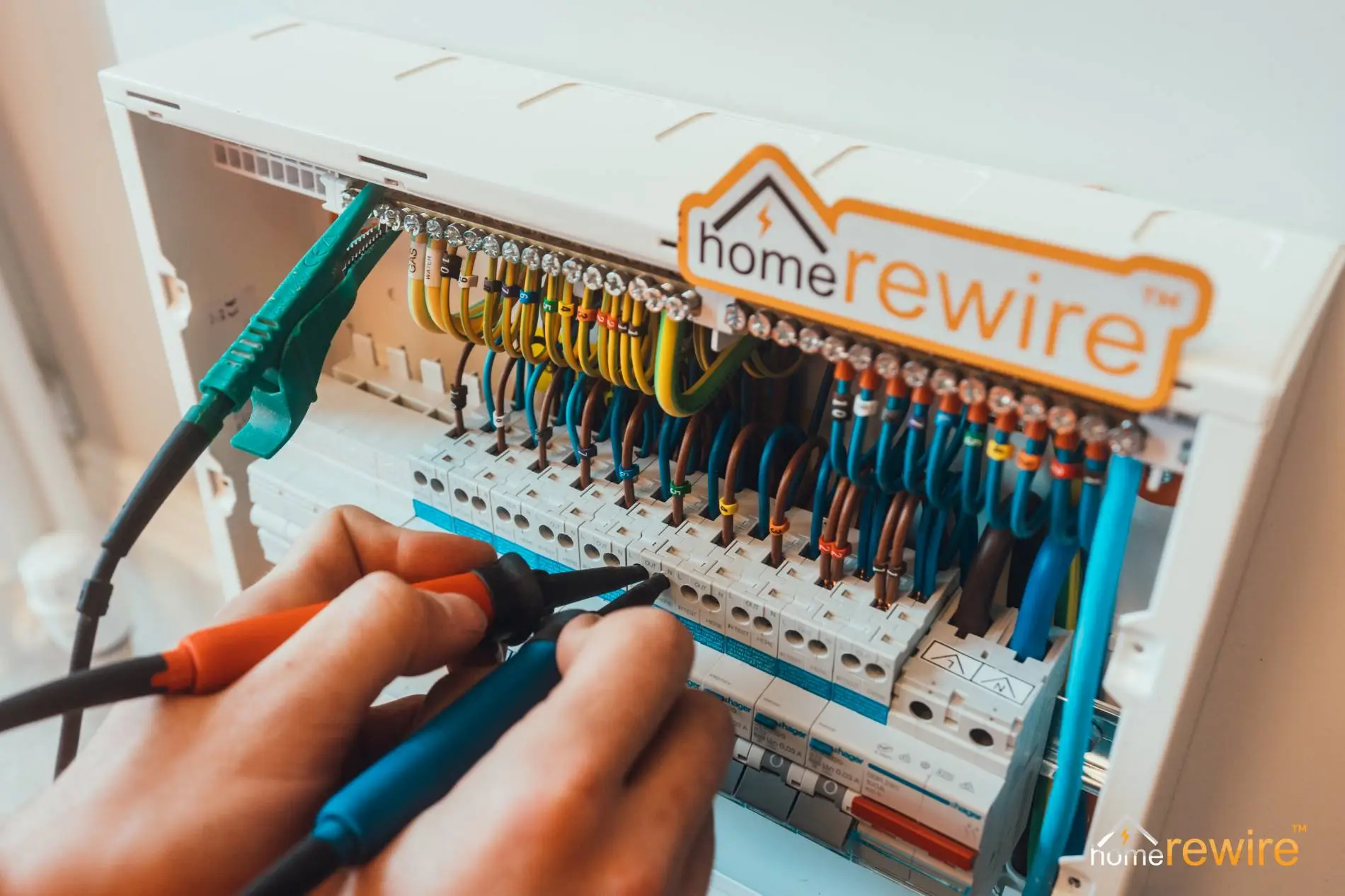
How Often Should a House Be Rewired in the UK?
The industry guidance is every 25 to 30 years—but age alone doesn’t tell the full story. Condition matters more than the calendar. A well-maintained installation in a stable, dry property may remain serviceable toward the upper end of that range. Wiring in a damp Glasgow tenement, a heavily modified older property, or a home that’s seen multiple DIY attempts over the decades may need replacing sooner.
What triggers a partial or full house rewire isn’t always a milestone birthday for your installation. It’s deterioration—insulation cracking, accessories failing, circuits that can no longer handle modern electrical loads safely.
What Is the Lifespan of Electrical Wiring in a UK Home?
| Wiring Era | Estimated Lifespan | Common Issues | Status |
|---|---|---|---|
| Pre-1960s rubber or fabric-sheathed | 25–40 years | Brittle insulation, exposed conductors | Replace immediately if still in use |
| 1960s–1970s PVC wiring | 30–40 years | Insulation degradation, capacity limitations | Likely overdue for replacement |
| 1980s–1990s PVC wiring | 25–35 years | Approaching end of reliable life | Inspection recommended |
| Post-2000 modern wiring | 40+ years | Minimal if well installed | Regular inspection sufficient |
If your home was built before 1980 and has never been rewired, it’s almost certainly overdue. Original wiring from that era wasn’t designed for the electrical demands of modern homes—the number of appliances we run daily would have been unimaginable when those installations were completed.
Key Indicators That Your House Needs Rewiring
Most homeowners never think about their wiring until something goes wrong. But electrical installations don’t last forever, and knowing when your home is due a rewire could be the difference between a safe property and a serious fire hazard. Understanding rewiring tips for older homes can help you identify the signs that it’s time for an upgrade. Many outdated electrical systems cannot handle the demands of modern appliances, leading to increased risks. Regular inspections and updates not only enhance safety but also improve energy efficiency throughout your home. Rewiring signs for older homes can manifest in various ways, such as frequent circuit breaker trips or flickering lights. It’s essential to pay attention to these indicators, as they could signal outdated wiring. Consulting with a licensed electrician can provide you with expert advice on necessary upgrades and safety improvements.
Age is the starting point. If your property hasn’t had any electrical updates in over 25 to 30 years, a professional assessment is overdue regardless of whether you’re experiencing visible problems. Deterioration happens gradually and silently—you won’t always see it coming.
Frequently tripping circuit breakers or fuses are one of the clearest warning signs. Occasional tripping under extreme load is manageable. If the same circuit trips repeatedly without obvious cause, or if multiple circuits are tripping, your wiring is struggling.
Scorching or discoloration on sockets and switches reveals where heat damage has already occurred. This isn’t cosmetic—it indicates the wiring or connections at that location have overheated, likely repeatedly. Stop using affected outlets and get them inspected.
Flickering, dimming, or buzzing lights point toward loose connections or voltage fluctuations. These don’t stabilize on their own. They’re a symptom of an underlying fault that will worsen over time.
Outdated wiring types are an immediate concern. Rubber-insulated, fabric-sheathed, or lead-sheathed cabling is well past its safe operating life. These materials become brittle, crack, and expose live conductors. If your home still has any of these, rewiring isn’t optional—it’s urgent.
How Do You Check If Your House Needs Rewiring?
| Check | What to Look For | What It Means |
|---|---|---|
| Fuse box type | Ceramic fuses vs. modern circuit breakers | Ceramic fuses indicate a very outdated installation |
| Outlet style | Round-pin sockets, single outlets throughout | Suggests pre-1970s wiring likely still in use |
| Wiring visible in loft or under floors | Black and red (old) vs. brown and blue (modern) | Old colour coding indicates pre-2004 installation |
| Cable insulation condition | Rubber, fabric, or lead sheathing present | Requires immediate replacement |
| EICR result | C1 or C2 codes present | Rewiring likely required |
| Tripping frequency | Same circuit tripping more than once monthly | Underlying fault or capacity issue |
The most reliable check is an Electrical Installation Condition Report (EICR) carried out by a qualified electrician. This tests your circuits comprehensively, identifies faults, and removes all guesswork about your installation’s condition.
When Should You Get a Professional Electrical Assessment?
Three situations make a professional assessment essential rather than optional.
Buying a property older than 25 years. Survey reports flag concerns but don’t test electrical systems. An EICR does. Without one, you have no way of knowing what condition the wiring is in or what’s been modified since the original installation. Commissioning an EICR before or immediately after purchase gives you a clear picture and protects your investment.
Planning a major renovation. If you’re opening walls, extending, adding a loft conversion, or reconfiguring a kitchen or bathroom, this is the ideal time to assess your wiring. Electricians already have access to areas that would otherwise require significant disruption, and rewiring during renovation costs considerably less than returning to do it later. Critically—rewire before plastering. Doing it afterward means undoing finished work. A comprehensive cost breakdown for rewiring a house is essential for budgeting your renovation effectively. Understanding the materials and labor involved can help you make informed decisions. Additionally, comparing quotes from different electricians will ensure you get the best value for your investment.
An EICR reveals significant wear and tear. A C1 (danger present) or C2 (potentially dangerous) result means your system poses genuine risk and requires remedial work. This often includes full or partial rewiring depending on the extent of the issues identified.
Read more – Electrical safety check cost guide
How Often Should Electrical Wiring Be Inspected in the UK?
For homeowners, an electrical inspection every ten years is recommended as a minimum. If your home is older or has had previous electrical problems, every five to seven years is more appropriate.
Landlords are legally required to commission an EICR every five years and provide tenants with a copy. Non-compliance carries significant penalties—up to £30,000—and insurance claims related to electrical fires can be rejected if no valid EICR exists.
In practice, many owner-occupiers never commission an inspection at all. If you’ve moved into a property with no record of a previous EICR, arrange one. You have no reliable way of knowing what’s been done to the electrical system before you arrived.
Does a Rented Property Need Rewiring More Often?
Rental properties experience higher electrical demand through tenant turnover, heavier appliance use, and less consistent maintenance. The mandatory five-year EICR requirement for landlords reflects this reality. If an inspection identifies C1 or C2 issues, remedial work—potentially including full or partial rewiring—must be completed before the property can legally be tenanted.
Glasgow’s older rental stock, particularly tenements and pre-war properties, regularly presents wiring that’s decades overdue for replacement. For landlords, staying ahead of EICR requirements isn’t just a legal obligation—it’s protection against liability.
Do You Need to Rewire When Renovating?
Not automatically, but renovation is the ideal time to assess and act. If you’re investing in your property—new kitchen, bathroom, extension, loft conversion—don’t do it on top of wiring approaching the end of its useful life. The disruption and cost of rewiring is far lower when walls are already open than when the renovation is complete.
The golden rule: rewire before plastering. Returning to chase new cables through freshly plastered walls means undoing finished work and significantly increasing costs. Rewiring safety tips for homeowners should always be prioritized during renovations. Identifying potential hazards and addressing them beforehand can prevent accidents later on. Ensuring that all electrical work meets local building codes guarantees a safer living environment.
When Does Partial Rewiring Make Sense?
Full rewiring isn’t always necessary. If your overall installation is relatively modern but specific areas are problematic—an older kitchen circuit, poorly wired extension, or bathroom wiring that doesn’t meet current standards—partial rewiring addresses those areas without the cost and disruption of a whole-property replacement. Rewiring expenses for your home can vary significantly based on the extent of the work needed. Understanding these costs upfront helps homeowners budget effectively and avoid surprises later on. Consulting a licensed electrician can provide insights into potential savings and efficient solutions tailored to your specific needs. Homeowners in Scotland may find options available to get free rewiring services in Scotland through various local initiatives. These programs often aim to improve safety and efficiency, making it easier for families to manage their electrical needs. It is advisable to check with local authorities and community organizations for eligibility and additional resources.
| Partial Rewire Makes Sense When | Full Rewire Makes Sense When |
|---|---|
| Specific circuits or rooms are affected | Whole-property wiring is aging or deteriorating |
| Rest of installation is modern and tested safe | Multiple circuits failing or at capacity |
| EICR identifies isolated issues | EICR identifies systemic problems throughout |
| Post-renovation circuit additions needed | Pre-1980s original wiring throughout property |
| One outdated wiring type in a specific area | Rubber, fabric, or lead-sheathed cabling throughout |
What Happens If You Don’t Rewire an Overdue Property?
Wiring doesn’t usually fail suddenly—it deteriorates gradually. Insulation becomes brittle. Connections loosen. Circuits that once handled previous demands start struggling under modern loads. What begins as occasional tripping becomes frequent tripping, then persistent faults, then active fire risk.
Electrical faults are among the leading causes of house fires in the UK, contributing to approximately 20,000 fires annually. Properties with aging, unmaintained wiring carry demonstrably higher risk. Beyond safety, there are practical consequences. Insurance companies can reject claims if a property had known electrical issues that weren’t addressed. A failed EICR creates liability. When you sell, an outdated electrical system becomes a negotiation point that typically costs more than the rewire itself would have.
FAQ: House Rewiring Frequency and UK Electrical Standards
How do I know if my house has ever been rewired?
Check the fuse box—modern consumer units with circuit breakers indicate a relatively recent installation. Look at outlet styles; round-pin sockets suggest very old wiring. In loft spaces or under floorboards, old wiring uses red and black colour coding rather than modern brown and blue. Rubber, fabric, or lead-sheathed cabling visible anywhere means the original installation is still partially or fully in place. An EICR confirms your installation’s age and condition definitively.
Is rewiring a legal requirement for homeowners in the UK?
There’s no automatic legal requirement for owner-occupiers to rewire on a fixed schedule. However, rental properties must have a valid EICR every five years with C1 and C2 faults remedied promptly. For homeowners, rewiring becomes a legal and insurance concern when known faults are identified and ignored—particularly following a failed EICR.
Can I live in my house while it’s being rewired?
Yes, in most cases. Professional teams work room by room and maintain power to unaffected areas throughout the process. You’ll experience scheduled power cuts to specific circuits during work, but you won’t be without electricity entirely.
Does rewiring include a new fuse box?
A full rewire always includes a new consumer unit. Modern consumer units include RCD protection, which provides significantly better fault protection than older fuse boxes. Replacing wiring without replacing the consumer unit would be an incomplete job.
How often should I have my electrics checked after rewiring?
After a full rewire, an EICR every ten years is the standard recommendation for owner-occupied properties. Your new installation will come with an Electrical Installation Certificate confirming it meets current standards—keep this document safely as you’ll need it when selling the property.
My house is 30 years old but I’ve had no problems. Do I still need a rewire?
Possibly not immediately, but you do need an inspection. The absence of visible problems doesn’t mean the wiring is safe—deterioration happens in walls and ceiling spaces where you can’t see it. An EICR will tell you the actual condition of your installation and whether rewiring is necessary, recommended, or can wait.
If your home is over 25 years old, showing any of the warning signs above, or you simply have no record of a previous electrical inspection, the safest first step is an EICR assessment. Home Rewire Glasgow offers free electrical inspections for Glasgow homeowners—we’ll examine your system, identify any concerns, and give you honest advice on whether your home needs a full rewire, partial rewiring, or just a routine inspection certificate. Contact us today for a no-obligation assessment. Rewiring homes in Glasgow is crucial for maintaining safety and compliance with current standards. Many older homes may require significant updates to their electrical systems to prevent hazards. By choosing professionals who specialize in these services, you can ensure that your home is both safe and efficient.