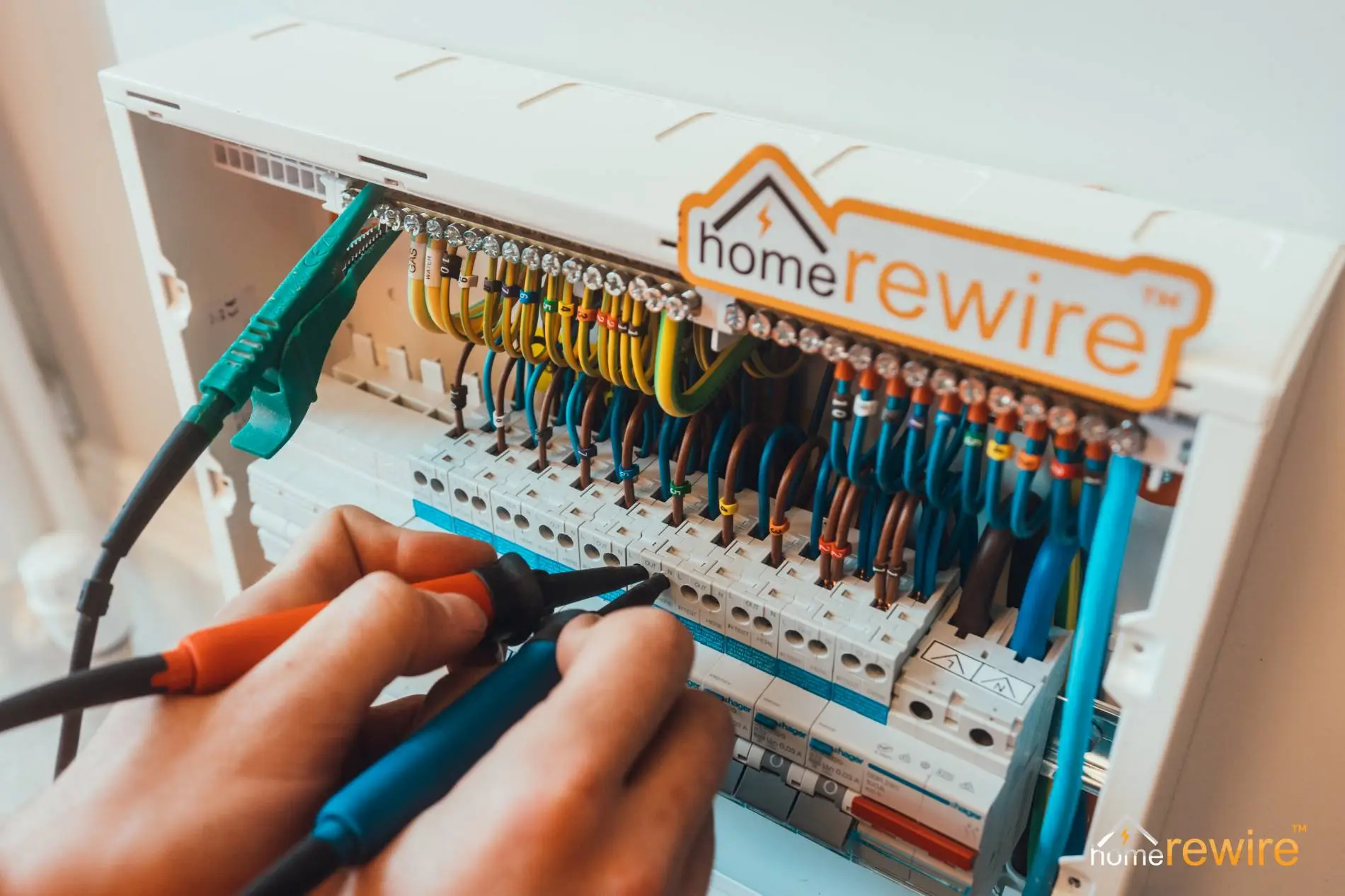
Why Is My Fuse Box Tripping? The Most Common Causes
Overloaded circuits are the most frequent cause. Too many high-demand appliances running on the same circuit at once forces the breaker to cut power as protection. Kettles, microwaves, washing machines, and tumble dryers are common culprits.
Short circuits happen when a live wire contacts a neutral wire, creating a massive surge of electricity. You’ll often notice a burning smell or see the breaker trip almost instantly when a device is plugged in.
Ground faults develop when current takes an unintended path to earth—usually through moisture or damaged insulation. Bathrooms and kitchens are the most common locations.
Loose connections inside the fuse box or within your wiring are harder to spot but genuinely dangerous. The connection works fine for weeks, then a temperature shift causes arcing and heat. This is a leading cause of electrical fires.
Wiring degradation is common in Glasgow’s older properties. Copper wiring becomes brittle, insulation cracks, and live conductors become exposed. What worked adequately in the 1970s simply wasn’t built for modern electrical demands.
How Do I Know If It’s a Serious Problem?
| Tripping Pattern | Likely Cause | Urgency | Action |
|---|---|---|---|
| Single circuit, occasional overload | Too many appliances at once | Low | Redistribute load, monitor |
| Same circuit trips repeatedly | Loose connection or ground fault | Medium | Professional inspection |
| Multiple circuits tripping | Systemic wiring fault | High | Full electrical inspection |
| Tripping plus burning smell | Arcing or insulation failure | Urgent | Turn off circuit, call electrician now |
What Does Frequent Tripping Actually Mean?
Tripping once or twice a year during peak winter demand is manageable. Resetting the same circuit weekly—or across multiple circuits—is your home telling you something is wrong.
Occasional overloads are fixable by redistributing appliances. Frequent unexplained tripping points to degraded wiring, failing connections, or a fuse box that’s hit its capacity ceiling. These problems don’t resolve on their own. Rcd tripping issues explained can help homeowners identify the root cause of their electrical problems. Understanding these issues may lead to safer and more efficient home energy use. It is important to consult a professional if these problems persist, as neglecting them can result in more significant hazards.
When Should You Stop Resetting and Call an Electrician?
Stop resetting and call a professional if you notice any of these:
- The same circuit trips more than twice a month
- Tripping happens without obvious overloading
- You smell burning near outlets or the fuse box
- Outlets feel warm to the touch
- Lights flicker alongside the tripping
- You see scorch marks or discoloration around outlets
Each of these signals an active fault—not a quirk of your system.
Can I Fix a Tripping Fuse Box Myself?
For occasional overloads, yes. Unplug appliances from the affected circuit, reset the breaker, then plug devices back in one at a time to identify the problem. If the breaker holds, you’ve found the culprit.
That’s where safe DIY ends. Never open your fuse box to inspect or tighten connections. Your consumer unit contains live terminals even when individual breakers are off. Contact with those terminals delivers potentially fatal electrical shock. If resetting doesn’t solve the problem, you need a professional.
What Are the Most Common Electrical Faults That Cause Tripping?
| Fault Type | How Common | Key Symptom | Risk Level | Fix |
|---|---|---|---|---|
| Overloaded circuit | ~60% | Trips under high demand | Low | Redistribute appliances, add circuit |
| Loose connection | ~20% | Intermittent tripping, burning smell | High | Professional repair or replacement |
| Ground fault | ~10% | Trips in damp areas | Medium | Outlet replacement, grounding check |
| Wiring degradation | ~10% | Frequent tripping, warm outlets | High | Rewire affected circuits or full rewire |
When Does a Tripping Fuse Box Mean You Need a Rewire?
A tripping fuse box points to full house rewiring when multiple warning signs appear together. One isolated fault might need a targeted repair. Several problems occurring simultaneously suggest the electrical infrastructure is failing rather than a single component.
Consider a rewire if:
Your home is over forty years old with original wiring. You’re experiencing frequent tripping across multiple circuits. You notice burning smells, warm outlets, or flickering lights alongside the tripping. Your fuse box uses old-style fuses rather than modern circuit breakers. Or your home simply can’t handle modern appliance loads without constantly tripping. In such an environment, identifying signs of electrical fire hazards becomes crucial for your safety. Regular inspections can help catch issues before they escalate. It’s advisable to consult a licensed electrician who can assess the situation and recommend upgrades to your system.
If you’re managing which appliances you can use simultaneously rather than running them freely, your electrical system has hit its capacity ceiling.
What’s the Difference Between Electrical Repairs and a Full Rewire?
Targeted repairs work when problems are isolated—a faulty outlet, a single loose connection, one overloaded circuit. A professional identifies the specific fault, fixes it, and the system works reliably.
While full house rewiring costs more, it makes more sense when the system itself is failing. Think of it like plumbing: you can patch a single leaking pipe. But if the entire copper run is corroded, patching individual leaks costs more over time than replacing it properly.
| Choose Repairs When | Choose Rewiring When |
|---|---|
| Problem is isolated to one circuit | Multiple circuits are affected |
| Wiring is relatively modern (under 30 years) | Home has original pre-1980s wiring |
| No other warning signs present | Multiple warning signs exist simultaneously |
| Tripping is rare and explainable | Tripping is frequent and unpredictable |
| System handles modern loads comfortably | System can’t support modern appliance demands |
Signs You Need an Emergency Electrical Assessment Right Now
Some signs can’t wait for a scheduled appointment:
- Burning or melting smells near the fuse box or outlets
- Outlets that feel hot rather than cool to touch
- Crackling or popping sounds from the consumer unit
- Visible scorch marks or blackening around switches or outlets
- Exposed or visibly damaged wiring
If you notice any of these, stop using that circuit immediately, switch it off at the consumer unit, and call an electrician the same day. These are active failure indicators, not future concerns.
FAQ: Electrical Faults, Fuse Box Tripping, and Rewiring
What happens if I keep ignoring a tripping fuse box?
Underlying faults deteriorate without intervention. Loose connections generate increasing heat. Insulation degrades progressively. Intermittent tripping becomes constant tripping, then complete failure or—in the worst case—an electrical fire. The cost of ignoring the problem is always higher than addressing it early.
Can a faulty fuse box damage my appliances?
Yes. Voltage surges from loose connections, short circuits, or ground faults can destroy computers, TVs, boilers, and kitchen appliances. You might replace a device only to have the new one damaged by the same underlying electrical fault.
How do I know if I need a rewire or just repairs?
A professional inspection identifies this during an assessment. Isolated faults with a modern system usually point to repairs. Multiple warning signs, original pre-1980s wiring, or frequent unexplained tripping point to rewiring as the better long-term investment. Electrical safety inspections in the UK are crucial for maintaining a safe living environment. They help identify potential hazards before they escalate into serious issues. Regular inspections can also ensure compliance with safety regulations and provide peace of mind to homeowners. Scottish electrical safety standards overview plays a vital role in ensuring that all electrical installations are performed safely and in accordance with local regulations. Compliance with these standards not only protects residents but also helps reduce the risk of electrical fires and accidents. Homeowners are encouraged to familiarize themselves with these guidelines to better understand their responsibilities regarding electrical safety.
How long can I ignore burning smells near outlets?
You can’t. Burning smells indicate active arcing or insulation failure. Switch off that circuit immediately and call an electrician today. This isn’t something to monitor.
If your electrics keep tripping or you’ve noticed any of the warning signs above, Home Rewire Glasgow can help. As Glasgow’s number one electricians, we offer free electrical inspections and honest advice on whether you need repairs or a full rewire. Contact us today for a no-obligation assessment. Common wiring issues in homes can lead to significant safety hazards if not addressed promptly. It is essential to identify and rectify these problems before they escalate into costly repairs or dangerous situations. Our team is equipped to tackle any wiring concern and ensure your home is safe and compliant with all regulations. Typical signs of electrical issues can manifest in various ways, such as flickering lights or outlets that feel warm to the touch. It’s crucial for homeowners to remain vigilant and address these signals promptly to avoid further complications. Our skilled electricians are trained to diagnose and resolve these concerns efficiently, ensuring your peace of mind.