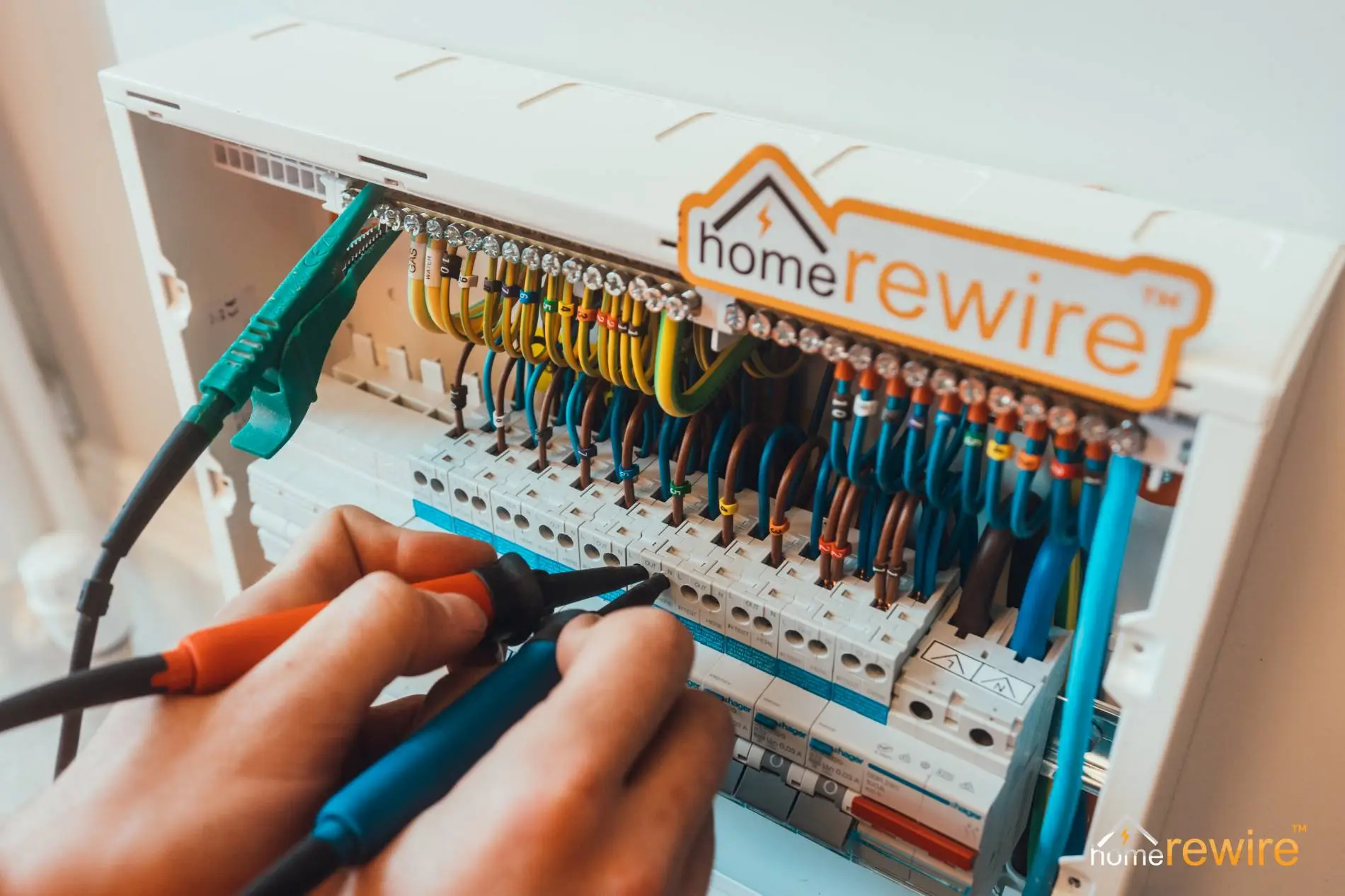
If you are looking into electrical work in Scotland, the starting point is Scottish Building Standards. BS 7671 is still the key technical wiring standard, but in Scotland it sits underneath the building standards framework rather than Part P in the way people often see discussed for England and Wales.
For Home Rewire, the important thing is to make the page feel local, practical, and useful. The best version explains the Scottish rules first, then briefly covers the wider UK context so the article still helps readers who are searching more generally.
What are the electrical regulations for home rewiring in Scotland?
In Scotland, electrical work is governed by Scottish Building Standards rather than Part P, ensuring that installations are safe, properly designed, and not a risk to occupants. These standards provide the legal framework that every professional installation must follow to ensure compliance and safety across all property types.
BS 7671 is the main technical standard electricians use to meet those requirements. It sets the rules for how electrical installations should be designed, installed, inspected, and tested. In practice, that means the current edition should always be used, because standards change as safety expectations and installation methods evolve.
Why is full house rewiring considered a major electrical upgrade?
Full house rewiring is a major upgrade because it replaces the entire electrical infrastructure of a property, bringing older systems up to current safety and reliability standards. It is far more than a simple cable replacement; it involves a comprehensive overhaul of the circuits, consumer units, and accessories to ensure the home can handle modern electrical demands safely. As homeowners plan for renovations, understanding the cost factors for rewiring in 2026 becomes essential. This knowledge allows for better budgeting and prioritization of upgrades to meet modern standards. Additionally, considering future energy needs will help ensure that the rewiring process adds lasting value to the property.
In Scotland, a rewire should be carried out in line with BS 7671 and the relevant Scottish Building Standards. Depending on the work involved, certification may also be required, which gives the customer and any approving authority evidence that the installation has been completed properly.
If a property has old wiring, repeated faults, or a patchwork of past alterations, rewiring may be the best long-term solution. It improves safety, reliability, and compliance in one project. When considering a fuse box replacement, various cost factors in fuse box replacement should be evaluated to ensure you stay within budget. Upgrading to a newer model can result in long-term savings due to improved energy efficiency. Additionally, hiring a licensed electrician can mitigate potential risks and ensure the work is compliant with local regulations. Common reasons for tripped fuse boxes include overloaded circuits, faulty appliances, and damaged wiring. Understanding these issues can help homeowners take proactive measures to prevent electrical failures. Regular maintenance and timely upgrades are crucial for ensuring a safe and efficient electrical system.
Why is certification required for electrical work in Scotland?
Certification is required in Scotland to provide legal proof that an electrical installation has been tested, verified, and completed to the relevant BS 7671 standards. This documentation is vital for verifying the safety of major jobs like rewires and consumer unit changes, providing essential peace of mind for homeowners and property authorities alike.
This matters because electrical work is not only about how it looks when it is finished. It is also about whether the work can be verified, tested, and documented properly. That paperwork is especially important for major jobs such as rewires, consumer unit changes, and new circuits.
For customers, certification gives peace of mind. For property owners, it helps show that the work has been completed to the right standard.
What are the common electrical standards for rewiring projects?
The main technical standard for rewiring projects is BS 7671, which sets the fundamental rules for the design, installation, and testing of electrical wiring. While BS 7671 is the primary standard, specific projects may also require adherence to additional codes of practice, such as those for emergency lighting or fire detection, depending on the system being installed.
| Standard | What it covers |
| BS 7671 | Requirements for electrical installations and wiring rules |
| BS 5266 | Emergency lighting |
| BS 5839 | Fire detection and alarm systems |
| BS 7430 | Earthing |
| BS 7909 | Temporary electrical systems for entertainment and related purposes |
| BS EN 60529 | IP ratings and enclosure protection |
| BS EN 61439 | Low-voltage switchgear and controlgear assemblies |
| BS EN 62305 | Lightning protection |
| BS EN 60079 | Electrical equipment for explosive atmospheres |
These standards are not all used on every job. They become relevant when the installation needs them. That is why the right approach is always to match the standard to the specific application.
How do Scottish electrical regulations compare to the rest of the UK?
Scottish electrical regulations are led by Scottish Building Standards, whereas England and Wales primarily use the Part P framework alongside BS 7671. Despite these different legislative structures, the core technical objective remains the same across the UK: ensuring all electrical work is safe, properly tested, and protects occupants from fire or shock.
In England and Wales, domestic electrical work is also tied to Part P of the Building Regulations. That means the framework is slightly different from Scotland, but the goal is the same: safe, properly installed electrical work that protects people from fire and electric shock. Regular inspections can help identify signs of electrical fire hazards before they escalate. Homeowners should be vigilant about potential risks, ensuring that their electrical systems are safe and compliant with current regulations. Proper maintenance plays a critical role in preventing accidents and ensuring the safety of all occupants. Common causes of rcd tripping include overloading circuits and faulty appliances. Identifying these issues early can help prevent more severe safety hazards. Homeowners are encouraged to consult with qualified electricians to address any persistent tripping problems effectively.
For readers comparing the different systems, the simplest way to think about it is this: Scotland leads with Scottish Building Standards, while England and Wales use Part P alongside BS 7671. The details vary by location, but safe design, testing, and certification remain central everywhere.
When is a full home rewire necessary?
A full home rewire is necessary when an existing installation becomes outdated, unsafe, or unable to meet modern power demands, often indicated by frequent tripping or old cable types. For older properties, this process improves safety and reliability by removing the patchwork of past alterations and ensuring the entire system is compliant with current regulations. Signs your home needs rewiring can also manifest through flickering lights or discolored outlets. Furthermore, if you notice a burning smell or hear buzzing sounds coming from your electrical systems, it’s essential to act quickly. These warning signs indicate that your home’s electrical infrastructure may not be functioning safely.
For older homes in particular, a rewire can make a big difference. It can improve safety, support modern electrical demand, and reduce the chance of hidden problems later on. It is also the sort of job where compliance really matters, because the work affects the whole installation. Rewiring requirements for old houses can vary significantly based on the home’s age and existing electrical system. Engaging a qualified electrician is essential to ensure that these changes meet current safety standards. Ultimately, investing in a rewire not only enhances functionality but also adds value to the property. Common electrical issues in homes can often stem from outdated wiring or insufficient circuits. Homeowners should be aware of symptoms such as flickering lights, tripped breakers, and outlets that feel warm to the touch. Addressing these problems promptly can prevent more significant hazards and ensure a safer living environment.
Why do electrical regulations matter for home safety?
Electrical regulations matter because they establish the strict safety benchmarks required to prevent fires, electric shocks, and system failures within a property. Adhering to these rules ensures that work is durable and compliant, providing homeowners, landlords, and businesses with the assurance that their electrical systems are fit for purpose.
For homeowners, that means peace of mind. For landlords, it means better responsibility and record-keeping. For businesses, it means a lower risk of downtime, faults, and avoidable safety issues.
If you are planning a rewire or trying to understand what rules apply to your property, the key points are simple: use the current standard, make sure the work is certified where required, and always choose a competent electrician who understands the Scottish framework. Finding the right professional can make all the difference in ensuring your project runs smoothly. When searching for top rated electricians in Glasgow, be sure to read reviews and check credentials. A knowledgeable electrician will not only comply with local regulations but also provide valuable advice tailored to your specific needs.
Quick answers
What is the main electrical standard in Scotland?
BS 7671 is the main technical wiring standard used to support Scottish Building Standards.
Does Scotland use Part P?
No, Scotland uses Scottish Building Standards rather than Part P in the same way as England and Wales.
Is rewiring covered by the regulations?
Yes. Rewiring must be completed to the correct current standard and certified where required.
Are UK rules the same everywhere?
No. Scotland, England, and Wales have different building standards frameworks, but BS 7671 remains the common wiring standard.
Do all electrical jobs need extra standards?
No. Some jobs only need BS 7671, but specialist installations may also require additional standards or codes of practice.