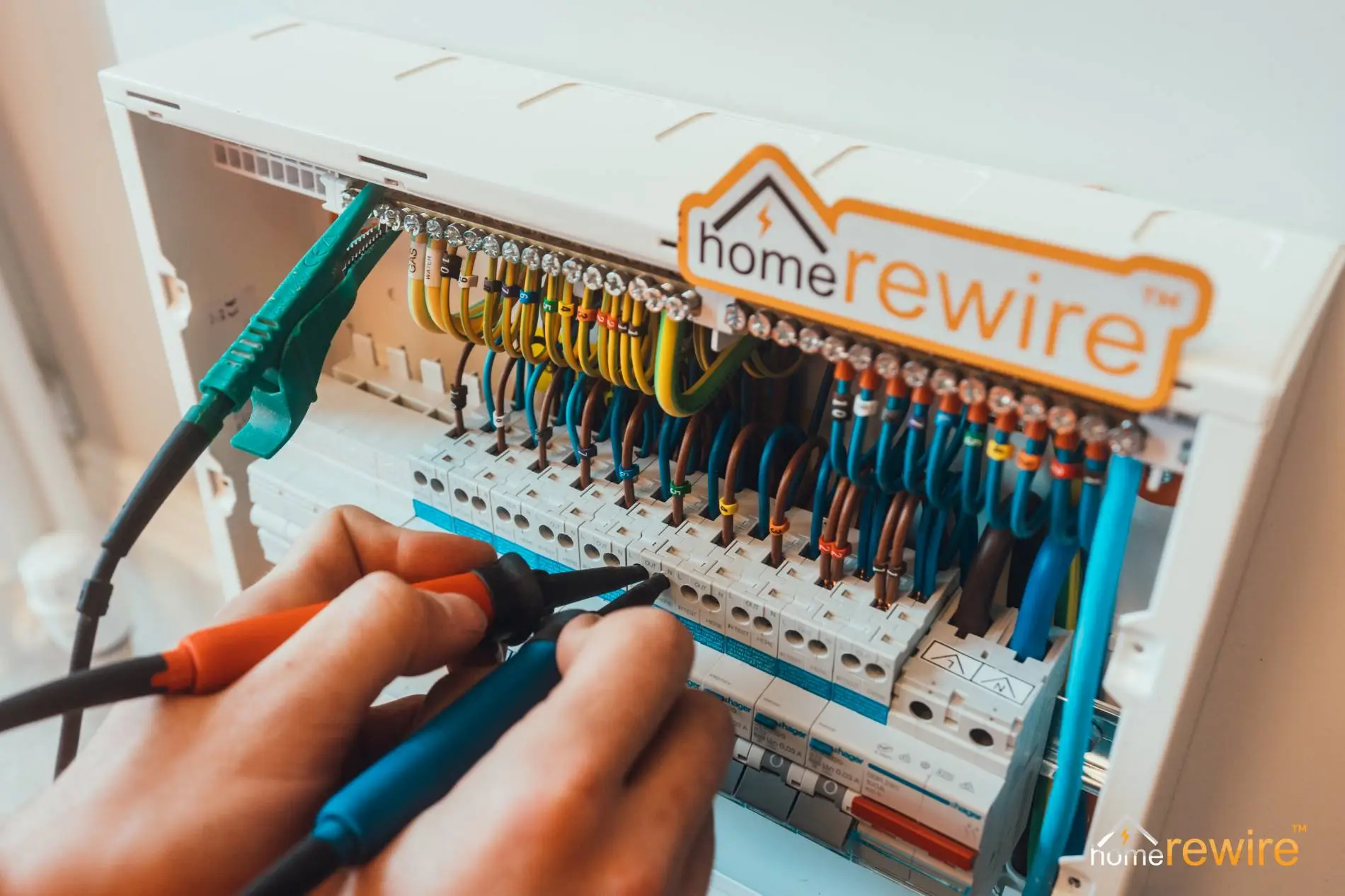
Most electrical problems don’t announce themselves dramatically. No sparks, no smoke, no obvious disaster. They show up quietly, a light that flickers occasionally, a socket that stopped working, a fuse box that trips more than it should. Easy to ignore. Easy to put off.
But in a lot of cases, these small signals are the early warning system for something that needs attention before it becomes expensive, dangerous, or both.
This guide covers the 12 most common electrical problems in houses across Scotland, what’s actually causing them, and when the fix is a simple switch versus when it’s time to call in the professionals.
12 Electrical Problems In Houses That Require Urgent Fixing
1. Flickering or Dimming Lights
Flickering lights that can’t be explained by a dodgy bulb usually point to one of two things: a loose connection somewhere in the circuit, or a wiring problem further back in the system. When multiple lights flicker at once, especially when a large appliance kicks in, that’s often a sign the circuit is struggling under load.
Older homes, particularly those wired before the 1980s, are especially prone to this because the original wiring simply wasn’t designed to carry the electrical demand of modern living.
A one-off flicker after changing a bulb is nothing. Persistent flickering, or lights that dim whenever the washing machine starts, is worth getting looked at. If you’re seeing this regularly, request a free rewiring quote from HomeRewire and find out where your wiring stands.
2. Circuit Breakers Tripping Frequently
A circuit breaker that trips once in a blue moon is doing exactly what it’s supposed to do, protecting you. One that trips repeatedly on the same circuit is a different story. The most common cause is an overloaded circuit: too many high-draw appliances pulling from the same line.
But frequent trips can also be caused by a short circuit or an earth fault, both of which are more serious and won’t be resolved by just redistributing your plugs.
If resetting the breaker becomes a regular routine, the circuit needs to be investigated, not just reset again.
3. Dead or Non-Functioning Sockets
A socket that stops working often gets dismissed as a minor inconvenience. In some cases it is. A tripped RCD elsewhere in the circuit can knock out multiple sockets, and resetting it sorts the issue. But dead sockets can also be caused by loose wire connections behind the faceplate, a burned-out receptacle, or a fault in the wiring itself.
In older properties, this is sometimes the first visible sign that the wiring has degraded to the point where sections of it are failing.
Don’t just avoid using that socket and forget about it. Have it checked.
4. Overloaded Circuits
This is one of the most widespread electrical problems in UK homes, and it’s gotten worse as households have piled on more devices, EV chargers, and high-wattage appliances. Most domestic circuits are rated for 15–20 amps.
Push past that regularly and you’re putting consistent stress on the wiring, even if the breaker isn’t tripping every time. Over time, that thermal stress degrades insulation and increases fire risk.
| Appliance | Approximate Draw |
| Electric shower | 8,000–10,000W |
| Tumble dryer | 2,000–5,000W |
| Electric oven | 2,000–5,000W |
| Dishwasher | 1,200–2,400W |
| Washing machine | 1,200–3,000W |
| EV home charger | 3,600–7,200W |
Running several of these simultaneously on circuits that weren’t designed for the load is a problem. A proper rewire with correctly balanced circuits throughout the property solves it at the root.
5. Outdated or Deteriorating Wiring
Properties built before 1970 often still contain wiring that was installed in the 1950s or 1960s. The most common types found are rubber-insulated wiring (which becomes brittle and cracks with age), aluminium wiring (which expands and contracts differently to copper, loosening connections over time), and lead-sheathed cables.
None of these meet BS 7671, the current UK wiring standard, and all of them represent a genuine safety risk.
You can’t always see wiring problems from the outside. That’s exactly why an Electrical Installation Condition Report (EICR) exists. It gives you an objective assessment of what’s actually going on inside the walls.
Pro tip: If you’re unsure whether your wiring is still safe, it’s worth understanding how long electrical wiring lasts in a house and when it should be replaced, as age alone can be a strong indicator that an upgrade is overdue.
6. Problems with the Fuse Box or Consumer Unit
Old fuse boxes, the kind with rewirable ceramic fuses rather than modern trip switches, offer a fraction of the protection provided by a current consumer unit. They don’t have RCD protection, which means they can’t detect the kinds of faults that cause electrocution or fires as quickly as modern units can.
A consumer unit that’s undersized, lacks RCDs, or was installed more than 25 years ago is almost certainly not meeting current standards.
If your fuse box keeps tripping or looks dated or you’ve never had it assessed, it’s worth acting on sooner rather than later.
7. Electrical Shocks from Switches or Sockets
A mild tingle or static-like shock when touching a switch or plugging something in isn’t normal. It can point to an earth fault, inadequate bonding, a live wire that’s made contact with a faceplate, or faulty wiring. Any of these scenarios carry real risk. Don’t test it again to see if it happens a second time, get it inspected.
This is one of the clearer signs that something in the wiring is compromised and that a professional needs to look at it urgently.
8. Burning Smell or Scorch Marks Near Outlets
The smell of burning plastic near a socket or scorching around the faceplate means one thing: heat is being generated somewhere it shouldn’t be. Arcing, where electricity jumps across a gap between loose or damaged wires produces exactly this.
It’s one of the leading causes of electrical fires. If you’re seeing discolouration around outlets or picking up a burning smell that doesn’t have an obvious source, switch off the circuit and call an electrician the same day.
Don’t wait on this one.
9. Lights That Are Too Bright or Too Dim (Without a Dimmer Switch)
If lights in different rooms are running at noticeably different brightness levels, some too strong, some too weak, that often points to a neutral wire fault. It can also indicate that different circuits in the home have uneven voltage, which can quietly damage appliances and electronics over time.
This kind of issue is hard to spot until the damage is already done, which is why it gets missed so often.
10. Switches or Outlets That Feel Warm to the Touch
A switch or socket faceplate that’s warm, even when not in active use, is being affected by heat from the wiring behind it. Loose connections, overloaded circuits, and degraded insulation are all potential causes.
A warm socket isn’t just a sign of wear; it’s a sign that something is actively dissipating heat in a place it shouldn’t be, which is the definition of a fire risk.
11. Electrical Surges
Surges happen in a split second and most of them go unnoticed, a brief flicker, a device that resets unexpectedly. But repeated surges cause cumulative damage to electronics and appliances, shortening their lifespan significantly. External causes include lightning strikes and fluctuations from the grid.
Internal causes include faulty wiring, damaged appliances, or a consumer unit that isn’t up to scratch. If your home is experiencing frequent surges, the issue is almost certainly internal and needs to be traced.
12. No RCD Protection
RCD protection is a legal requirement under current UK wiring regulations. An RCD detects even tiny imbalances in current, the kind caused by a person receiving an electric shock, and cuts the power in milliseconds. RCD tripping issues explained can often occur due to faulty appliances or wiring anomalies. Understanding these issues is crucial for maintaining safety and compliance with electrical standards. Regular inspections and testing of RCDs can help identify potential problems before they lead to serious accidents. Electrical safety inspections in London are essential to ensure compliance with local regulations and enhance overall safety. These inspections help to identify potential hazards, including outdated wiring or malfunctioning equipment. By scheduling regular assessments, property owners can mitigate risks and create a safer environment for everyone.
Properties that haven’t been rewired or had their consumer unit replaced in recent decades often lack adequate RCD coverage. This isn’t just a compliance issue for landlords; it’s a fundamental safety gap.
If your consumer unit has no RCD or only partial coverage, that needs to be rectified. You can read more about the specific obligations in our guide to electrical requirements for rental properties and landlord compliance rules.
When Individual Fixes Aren’t Enough: The Case for a Full Rewire
Some electrical problems can be addressed in isolation, replace a socket, swap out a consumer unit, fix a loose connection. But when a property is presenting multiple issues at once, especially in combination with older wiring, the smarter move is almost always a full rewire. First fix electrical work explained can help clarify what tasks need to be prioritized. Understanding this concept allows homeowners to make informed decisions regarding their electrical installations. Additionally, ensuring that the first fix is executed properly can prevent costly issues down the line.
Patching a deteriorating system doesn’t make it safe; it just moves the problem down the road.
| Scenario | Likely Best Fix |
| One faulty socket, rest of system healthy | Socket replacement |
| Outdated consumer unit, wiring under 25 years old | Consumer unit replacement |
| Multiple faults, pre-1980s wiring | Full house rewire |
| Pre-purchase survey flags wiring concerns | EICR first, rewire likely to follow |
| Landlord property, no current EICR | EICR + rewire if required |
Electrical Problems in Your House? HomeRewire Can Fix Them for Good
The problems covered in this guide, flickering lights, tripping breakers, warm sockets, outdated wiring rarely exist in isolation. When one shows up, others tend to follow. And in a property with wiring that’s 30, 40, or 50 years old, the honest answer is that no amount of patching is going to make it genuinely safe. A full rewire does. Signs your house needs rewiring can often be subtle at first, but they shouldn’t be overlooked. If you notice signs such as frequent circuit overloads or a burning smell from outlets, it’s vital to address these issues promptly. Ignoring these indicators can lead to serious safety hazards and costly repairs down the line.
HomeRewire is Scotland’s number one rewiring contractor and Glasgow’s busiest rewiring specialist, with over 6,000 completed rewires and a proven process that gets most homes done in 1–2 days, a fraction of the time most electricians quote. When considering the cost of rewiring a house 2026, homeowners should factor in both materials and labor. It’s essential to obtain multiple quotes to ensure you’re getting a competitive price for your project. Additionally, investing in quality workmanship can lead to long-term savings on energy costs and increased home safety. House electrical safety in Glasgow is a crucial consideration for homeowners looking to ensure their living environments are secure. Regular inspections and adherence to safety standards can prevent accidents and expensive repairs. Moreover, understanding local regulations and hiring certified professionals will enhance your home’s safety and functionality.
Whether you’re a homeowner who’s been putting it off, a landlord who needs to get compliant, or a buyer who’s just spotted a concern in a survey, the first step is straightforward.
Request your free rewiring quote from HomeRewire today.
Frequently Asked Questions
How do I know if my house needs rewiring?
The most reliable way is an EICR (Electrical Installation Condition Report) carried out by a qualified electrician. That said, visible warning signs include persistent flickering lights, frequently tripping breakers, scorching around sockets, warm switch plates, or wiring that’s more than 25–30 years old.
If your property has rubber-insulated or aluminium wiring, a rewire is almost certainly needed.
Is rewiring a house disruptive?
It can be, but with the right contractor, far less than most people expect. HomeRewire’s crew-based approach means most full rewires are done in a day or two, not the better part of a fortnight.
What is an EICR and do I need one?
An EICR (Electrical Installation Condition Report) is a formal inspection of your property’s electrical installation. Landlords in Scotland are legally required to have a valid EICR in place, with inspections every 5 years. Homeowners aren’t legally obligated, but it’s strongly recommended before a property sale or purchase, and after any major renovation.
Can a landlord rent a property with old wiring?
Not without a valid EICR confirming the installation is in a satisfactory condition. If an EICR flags serious issues, which old wiring frequently does, they must be remedied before the property can be legally let.
What does consumer unit replacement involve?
A consumer unit (fuse box) replacement typically takes a few hours. The old unit is removed and replaced with a modern, fully RCD-protected board. Circuits are tested before and after. It’s considerably less disruptive than a full rewire, and for properties with reasonably modern wiring, it may be all that’s needed to bring electrical safety up to standard. Circuit breaker replacement costs explained can vary based on the complexity of the job and the materials used. Homeowners should expect to see a range of prices depending on their specific electrical needs. It is advisable to obtain multiple quotes from licensed electricians to ensure competitive pricing and quality service.