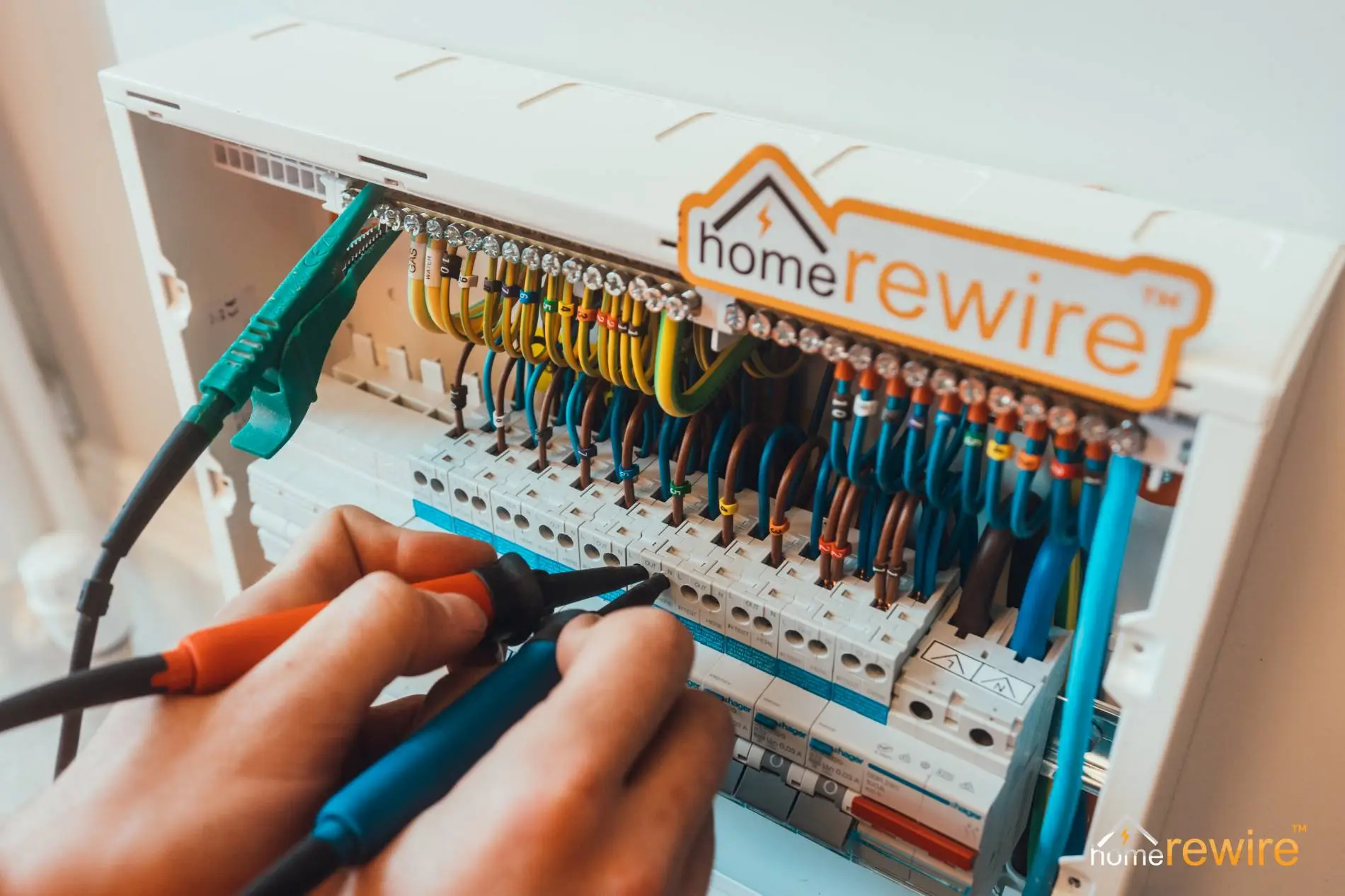
If an MCB has failed, keeps tripping, or an electrician has flagged your consumer unit as outdated, the first question is always the same — what’s this going to cost?
What Does It Cost to Replace a Circuit Breaker?
Replacing a single MCB in the UK typically costs between £75 and £160, including parts and labour. The breaker itself is inexpensive — a standard domestic MCB costs between £3 and £15. The majority of the cost is the electrician’s call-out and minimum charge.
Key factors that affect the price include:
- Type of breaker — standard MCBs are the cheapest; RCBOs (which combine MCB and RCD protection in one unit) cost more in parts but offer significantly better circuit-level protection
- Labour rates — electrician hourly rates in the UK typically range from £40 to £70 per hour depending on region
- Location — Glasgow and Scotland are broadly in line with UK national average pricing
- Urgency — out-of-hours or emergency call-outs carry a premium
- Accessibility — difficult-to-reach consumer units or older installations may take longer
Circuit Breaker Replacement Costs: Detailed Breakdown
How Much Does the Breaker Itself Cost?
The part cost is low. A standard single-pole MCB for domestic use typically costs between £3 and £15 depending on amperage rating and brand. RCBOs — the combined MCB and RCD units that HomeRewire™ fits as standard on every rewire in Glasgow — cost between £15 and £40 each, but the protection they provide per circuit is considerably better.
Brand matters here. Hager, Schneider Electric, and Wylex are all widely used in UK domestic installations and source reliably. Avoid no-name alternatives — they may not meet BS EN 60898 standards and are unlikely to be accepted under a Part P certification.
What Does Installation Cost?
Installation of a single MCB is typically a one-hour job or less. At standard electrician rates of £40–£70 per hour plus a call-out fee, most homeowners pay between £75 and £160 all in for a straightforward single breaker swap.
Upgrading to an RCBO at the same time adds £15–£40 in parts but the labour cost is essentially the same. If you’re having multiple breakers replaced in the same visit, the overall cost per unit comes down because the call-out is shared across the work. Understanding rcd functionality in homes is crucial for ensuring electrical safety and efficiency. Many homeowners may not realize the importance of regular inspections and upgrades. A better understanding can help in identifying potential issues before they become serious problems. Rcd device malfunction troubleshooting steps are essential for maintaining electrical systems. Homeowners should familiarize themselves with these steps to ensure their safety. Regular checks and timely responses to any malfunctions can prevent further complications or hazards.
Cost of Replacing a Full Consumer Unit
When the board itself is old, undersized, or doesn’t meet current regulations, replacing individual MCBs isn’t enough. A full consumer unit replacement is the right solution — and the cost varies by property size and board type.
| Property Type | Typical Cost (2026) |
| Small flat or 1–2 bed home | £300 – £500 |
| Mid-size 3 bed house | £450 – £700 |
| Larger 4–5 bed house | £600 – £950 |
| With additional circuits or remedial wiring | £700 – £1,200+ |
These prices include the consumer unit, labour, full circuit testing, and the Part P Electrical Installation Certificate. Prices in London run roughly 20–30% higher than the rest of the UK. Glasgow prices sit broadly in line with the national average.
Professional Labour Costs by Region
| Region | Typical Hourly Rate |
| London | £60 – £80/hr |
| South East | £50 – £70/hr |
| Midlands | £45 – £65/hr |
| Northern England | £40 – £60/hr |
| Scotland (incl. Glasgow) | £40 – £65/hr |
Most single MCB replacements take under an hour. Full consumer unit replacements on an average three-bed house take a full working day, including testing and certification.
Additional Costs to Be Aware Of
A straightforward consumer unit swap is fairly predictable in price, but there are items that can add to the final bill — particularly in older properties. Being aware of these upfront avoids surprises.
- Removing old fuse box — typically £50–£75, usually included in a full replacement quote
- Earth bonding upgrades — £100–£300 if existing bonding doesn’t meet current standards (common in pre-1990s properties)
- Meter tail replacement — £100–£250 if the existing cables between meter and consumer unit are old or undersized
- Relocating the consumer unit — £300–£600 if it needs to move to a compliant or more accessible location
- Additional circuits — £50–£200 per circuit if new circuits are added at the same time
- EICR (Electrical Installation Condition Report) — £100–£250 depending on property size; required if the condition of the existing wiring isn’t known
- Rewiring or fault remediation — £250 to £3,000+ depending on scope, if wiring issues are found during testing
- Scaffolding or difficult access — £250–£500+ in unusual cases
Bundling extra tasks into a single visit is almost always more cost-effective than arranging separate call-outs. If an electrician is already on site replacing your consumer unit, getting an EICR carried out at the same time costs very little in additional labour.
What About Old Wiring — Does It Affect the Cost?
Yes, and it’s worth understanding why before you get quotes.
Fitting a new consumer unit to old, ageing wiring only solves part of the problem. The board handles protection at the circuit level, but if the cables inside the walls are rubber-insulated, lack proper earthing, or were installed to 1960s–80s standards, the risk of insulation failure and heat buildup doesn’t disappear just because the fuse box is new.
In Glasgow, this matters more than in many parts of the UK. Tenement flats, post-war semis, and older terraced housing across the city were largely wired to standards that are now significantly out of date. Electricians working on these properties are required to flag unsafe conditions they find — which sometimes means a consumer unit quote grows once the wiring is properly inspected.
Signs that a full or partial rewire may be needed alongside a board replacement:
- Rubber or fabric-sheathed cables visible anywhere in the property
- No earthing on some or all circuits
- EICR coming back with multiple C1 or C2 observations
- Persistent tripping that can’t be traced to a single appliance
- Sockets or switches that run warm
When HomeRewire™ carries out a consumer unit replacement in Glasgow, we assess the full installation honestly. In many cases the board swap is all that’s needed. In others — particularly pre-1990 properties — the honest answer is that a full rewire gives far better long-term value and safety than piecemeal updates over the years. Cost factors for rewiring a home can vary significantly depending on several variables. Homeowners should consider the age of the property, the complexity of the electrical system, and any potential upgrades needed during the process. It’s essential to weigh these cost factors carefully to ensure a safe and lasting electrical installation.
Can You Replace a Circuit Breaker Yourself?
No — not legally for notifiable work in the UK, and not safely without proper training. Consumer unit work is notifiable under Part P of the Building Regulations, meaning it must be carried out by a registered electrician who self-certifies the work, or notified to Building Control directly.
Beyond the legal requirement: even with the main switch off, the incoming supply cables from the meter remain live at all times. That section of the installation cannot be made safe without your energy supplier’s involvement. It’s not a job to attempt without the right qualifications.
What Is a Circuit Breaker and What Does It Do?
A circuit breaker — or MCB (Miniature Circuit Breaker) — is the device inside your consumer unit that automatically cuts the power to a circuit if too much current flows through it. It’s your electrical system’s first line of defence against overloads, short circuits, and the wiring damage or fires they can cause.
Modern consumer units have one MCB per circuit, so if something trips, only that circuit goes off. Older boards with wire fuses don’t offer that level of precision — and if yours still has fuses rather than breakers, it’s almost certainly due for an upgrade.
FAQs
How often should a consumer unit be replaced?
Most electricians recommend reviewing your consumer unit every 20–25 years, or sooner if you’re experiencing regular electrical faults, adding high-consumption appliances, or your current board lacks RCD protection. If it still has wire fuses rather than MCBs, it needs replacing regardless of age.
What’s the difference between a circuit breaker and a fuse?
A fuse is a single-use device — it melts to break the circuit and must be replaced afterwards. A circuit breaker is reusable — it trips and can be reset once the fault is resolved. Modern consumer units use MCBs or RCBOs rather than fuses, which is both safer and more convenient. Fuse box tripping troubleshooting techniques can help identify the underlying issue causing the circuit to trip. Understanding common reasons for tripping, such as overloaded circuits or short circuits, is essential for effective troubleshooting. By following a systematic approach, homeowners can often resolve these issues without professional help.
Do I need an EICR when replacing a consumer unit?
It’s not always a legal requirement, but it’s strongly advisable. An EICR establishes the condition of your existing wiring before a new board is fitted, which protects you from discovering a bigger problem after the job is done. Many electricians carry one out as part of the replacement quote.
What happens if my wiring is found to be old during the job?
The electrician is required to flag any unsafe conditions they find. They’ll explain the options — which may range from minor remedial work to a partial or full rewire recommendation. HomeRewire™ always gives a clear, honest assessment so you can make an informed decision without any pressure. The electrician will also check for early signs of electrical fire hazards to ensure the safety of your home. Identifying these risks early can prevent potential disasters and save you significant costs down the line. It is essential to trust your electrician’s expertise in spotting these dangers during their assessment. Common electrical issues in homes can often go unnoticed until they escalate into larger problems. Regular inspections can help identify these issues and provide preventative maintenance. Homeowners should remain vigilant and schedule routine checks to maintain a safe living environment.
How much does consumer unit replacement cost in Glasgow?
For a standard three-bed Glasgow property, a full RCBO consumer unit replacement including testing and Part P certification typically costs in the region of £450–£700. HomeRewire™ provides an itemised quote before any work begins — no hidden costs, no surprises.
Is it worth upgrading to RCBOs rather than a standard dual RCD board?
Almost always yes. The additional cost is typically £100–£200 over a standard board, and the benefit — individual circuit protection that keeps the rest of the house on during a fault — is significant. It’s the setup HomeRewire™ installs as standard on every job.
Thinking about a consumer unit replacement or concerned about old wiring in your Glasgow home? HomeRewire™ is Scotland’s leading electrical rewire specialist — NICEIC registered, fully insured, with over 6,000 homes rewired and more than 300 five-star reviews. Our large team covers Glasgow and across Scotland with short lead times, completing most full rewires in days rather than weeks.