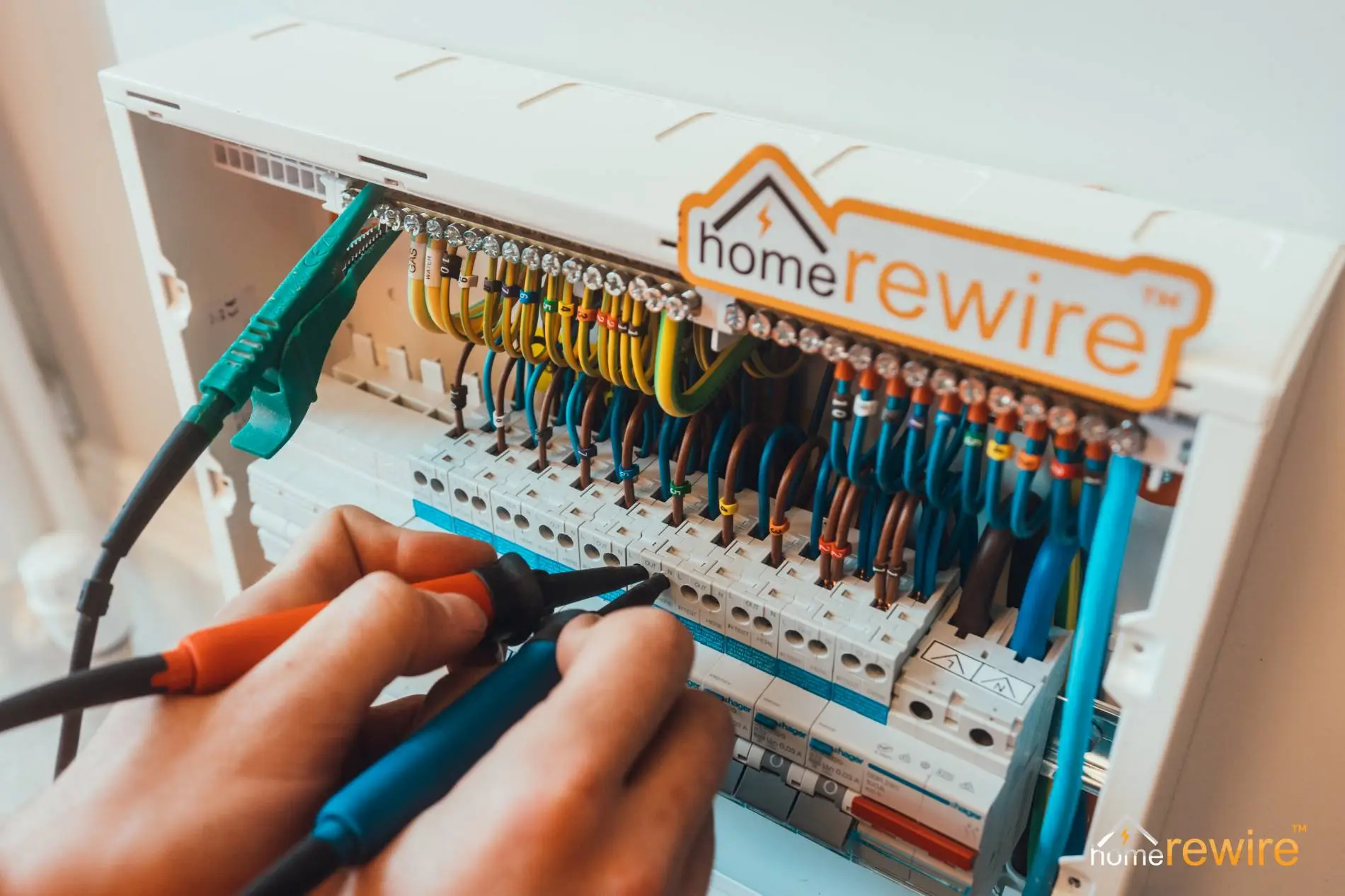
How Much Does Consumer Unit Replacement Cost in the UK in 2026?
Your fuse box is old, an electrician has flagged it, or you’re simply not sure whether it’s safe. Whatever brought you here, the cost of replacing a consumer unit is important and is one of the most common electrical jobs in UK homes—and one of the most misunderstood when it comes to pricing.
| Property Type | Circuits | Estimated Cost | Typical Duration |
|---|---|---|---|
| Small flat or studio | 4–6 circuits | £350–£520 | 3–5 hours |
| 2-bedroom house | 6–8 circuits | £440–£620 | 4–6 hours |
| 3-bedroom semi-detached | 8–10 circuits | £480–£720 | 5–7 hours |
| 4-bedroom detached | 10–12 circuits | £620–£860 | 6–8 hours |
| Large home (12+ circuits) | 12–16+ circuits | £750–£950+ | Full day+ |
| Garage or workshop unit | 4–6 circuits | £330–£460 | 2–4 hours |
These figures cover labour, materials, and the Electrical Installation Certificate (EIC) that must legally accompany the work. They assume your existing wiring is in reasonable condition—if testing reveals faults that need remedying, costs increase accordingly.
What Affects the Cost of Replacing a Consumer Unit?
The type of unit installed makes a significant difference. There are two main options—and the difference matters beyond just price.
A dual RCD split-load board divides your circuits into two groups, each protected by one RCD. It’s the more affordable option, but if one RCD trips, it takes half your home’s circuits offline simultaneously. These typically add £80–£150 to base labour costs for materials.
A high-integrity board with individual RCBOs (Residual Current Breaker with Overcurrent protection) gives every single circuit its own combined RCD and breaker. If one circuit faults, only that circuit loses power—everything else stays on. This is the superior option for most households. Expect to pay £150–£300 more than a basic dual RCD board for the additional components. Circuit breaker replacement costs overview can vary significantly depending on factors such as the brand and specific components needed. It’s advisable to consult a licensed electrician to get a precise estimate based on your home’s requirements. By investing in high-quality components, you can ensure greater safety and reliability in your electrical system.
| Consumer Unit Type | Protection Level | Estimated Cost Premium | Best For |
|---|---|---|---|
| Dual RCD split-load | Good—two RCDs covering circuit groups | Standard pricing | Smaller properties, budget-conscious |
| High-integrity RCBO board | Excellent—individual protection per circuit | +£150–£300 | Larger homes, maximum protection |
| Metal-clad enclosure | Required by current regulations | Included in all modern units | All properties |
Your existing wiring condition is the variable that can shift costs most significantly. Every consumer unit replacement includes testing of all circuits before and after installation. If that testing reveals wiring faults—failed insulation resistance, earth continuity problems, or circuits that don’t meet current standards—remedial work or a partial or full house rewire is needed before the new unit can be certified. rewiring costs in Glasgow can vary significantly based on local labor rates and material availability. It’s essential for homeowners to budget accordingly and consult with professionals to understand the potential expenses involved. Additionally, taking proactive measures to maintain wiring can help reduce long-term costs and prevent unexpected issues.
Minor remedial work (tightening connections, replacing a socket or two) might add £50–£150. More significant issues—damaged circuits, old wiring types that fail testing—can add £300 to £800 or more depending on the extent of work required. This isn’t the electrician adding to the bill unnecessarily; it’s the reality that a new consumer unit connected to faulty wiring can’t be legally certified. Understanding electrical safety regulations in the UK is crucial for ensuring that all work is compliant and safe for use. Homeowners should consult qualified professionals who are familiar with these standards to avoid legal and safety issues. Regular inspections and adherence to these regulations can prevent costly repairs and enhance the longevity of electrical systems.
Property location influences pricing too. London and the Southeast consistently command the highest rates, with some consumer unit replacements in those areas reaching £1,000 to £1,200 for larger properties. The North of England, Scotland, and Wales generally sit toward the lower end of national pricing ranges. Average electrician hourly rates in London are significantly higher than in other regions. This discrepancy is often attributed to the higher cost of living and increased demand for skilled tradespeople in the capital. Homeowners in London should expect to budget accordingly for electrical services to ensure they receive quality workmanship.
How Much Does Consumer Unit Replacement Cost in Glasgow and Scotland?
Glasgow and Scotland generally sit comfortably within—or slightly below—the national average. For most Glasgow properties for a fuse box replacement expect to pay:
| Property Type | Glasgow/Scotland Estimate | vs. National Average |
|---|---|---|
| 2-bedroom flat or terrace | £420–£580 | Slightly below average |
| 3-bedroom semi-detached | £460–£680 | In line with average |
| 4-bedroom detached | £590–£820 | In line with average |
| Large or Victorian property | £720–£950+ | Varies by complexity |
Glasgow’s older housing stock—tenements, Victorian terraces, and pre-war builds—sometimes presents additional complexity. Access to existing wiring can be more involved, and older installations are more likely to require remedial work identified during circuit testing. Getting a fixed quote after a site visit (rather than a phone estimate) is particularly important for older Glasgow properties.
How much does a British Gas fuse box replacement cost?
A British Gas fuse box (consumer unit) replacement usually costs between £545 and £1,200+, depending on the size of the unit, number of circuits, and your location. You don’t need to go to your electrcicity supplier for this but typical starting prices include:
- 6-way consumer unit: From £545
- 10-way consumer unit: From £635
- 14-way consumer unit: From £720
- 20-way consumer unit: From £820
Extra costs may apply for safety upgrades, an EICR inspection, or remedial electrical work if faults are found during testing. You don
What’s Included in a Consumer Unit Replacement Quote?
A proper consumer unit replacement quote should always cover removal and disposal of the old unit, supply and installation of the new metal-clad consumer unit, connection of all existing circuits, testing of every circuit, and the Electrical Installation Certificate (EIC). The EIC is a legal requirement—don’t accept a job without one.
What isn’t always included is an EICR (Electrical Installation Condition Report). Some electricians require this before beginning work, particularly on older properties where wiring condition is unknown. An EICR costs between £180 and £400 depending on property size and whether it’s carried out as a standalone inspection or alongside the consumer unit replacement. Combining both on the same visit typically reduces the total cost compared to commissioning them separately.
What Is a Consumer Unit and Why Does It Need Replacing?
Your consumer unit—commonly called a fuse box—is the central hub that distributes electricity to every circuit in your home. It houses your circuit breakers, RCDs, and main switch. When a RCD keeps tripping, it’s protecting your home from electrical faults. Early signs of electrical fire hazards can often go unnoticed until it’s too late. Regular inspections of wiring and appliances can help identify potential risks before they escalate. Ensuring that your fuse box remains in good condition is crucial for maintaining electrical safety in your home. Understanding residual current devices is essential for any homeowner concerned about electrical safety. These devices are designed to quickly disconnect the circuit when they detect an imbalance in electrical current. By doing so, they greatly reduce the risk of electric shock and fire hazards, making them a vital component of a modern electrical system.
Older consumer units with rewirable fuses or outdated components don’t offer the same protection as modern units. UK regulations now require metal-clad consumer units (to reduce fire risk) fitted with RCD protection across all circuits. If your unit is plastic-cased, uses old-style fuses, or lacks RCD protection, replacement isn’t just advisable—it’s eventually inevitable.
Do You Need an EICR Before Replacing a Consumer Unit?
Not always, but it’s often recommended—and sometimes necessary. If your property is older and wiring condition is unknown, an EICR before the consumer unit replacement identifies any remedial work needed upfront. This means you get an accurate final quote and avoid surprises during the installation when circuit testing reveals problems.
For newer properties with relatively modern wiring in good condition, an EICR might not be essential before the replacement. Your electrician will advise based on what they can observe during their initial visit.
Is Consumer Unit Replacement Covered by Insurance or Grants?
Standard home insurance doesn’t cover consumer unit replacement as a maintenance or upgrade job. However, if replacement is needed following electrical damage from a covered event (fire, flood), your insurer may contribute. Check your policy before assuming either way.
There are currently no specific UK government grants for consumer unit replacement alone, though if you’re undertaking broader energy efficiency improvements or electrical upgrades as part of a larger renovation, some funding schemes may apply. It’s worth checking what’s available through your local council or Energy Saving Trust if you’re doing wider electrical work.
How Long Does Consumer Unit Replacement Take?
Most consumer unit replacements complete in four to eight hours for standard properties. Smaller flats with fewer circuits often finish faster—sometimes within half a day. Larger homes with 12 or more circuits, or properties where remedial work is identified during testing, can take a full working day or extend into a second visit.
During the work, your electricity supply will be off for the majority of the job. Electricians typically schedule this to minimise disruption, and most homeowners find it’s straightforward to manage for a day with some planning.
Should You Get an RCBO Board or Dual RCD Board?
For most households in 2026, an RCBO board is the better investment. The cost difference—typically £150 to £300—is modest against the practical benefit of individual circuit protection. When one circuit faults, only that circuit loses power. Your fridge, heating, and lighting stay on while the fault is diagnosed. With a dual RCD board, a fault on any circuit in that group takes down half your home’s power simultaneously.
The higher upfront cost also holds value if you ever sell—a high-integrity RCBO board is a selling point that demonstrates the electrical installation has been properly upgraded. It’s one of those cases where paying a bit more now saves disproportionately more in frustration later.
What Happens If You Don’t Replace an Outdated Consumer Unit?
An old consumer unit with rewirable fuses, no RCD protection, or a plastic enclosure poses genuine safety risks. Without RCD protection, earth faults that would trip a modern board can go undetected until they cause injury or fire. Plastic-cased units don’t contain fire if the board itself develops a fault.
From a practical standpoint, home insurance can be affected by a flagged consumer unit. Some insurers ask about your electrical installation as part of the policy terms, and an outdated board can create problems at claims stage. If a surveyor or EICR flags your consumer unit as C2 (potentially dangerous), mortgage lenders and buyers can make completion conditional on replacement.
FAQ: Consumer Unit Replacement Costs and What to Expect
Can I replace a consumer unit myself?
No. Consumer unit replacement is notifiable work under Part P of the Building Regulations in England and Wales, and equivalent Scottish regulations. It must be carried out by a qualified, registered electrician who can self-certify the work and issue the legal Electrical Installation Certificate. DIY consumer unit replacement is illegal and voids your home insurance.
Why do some quotes seem much cheaper than others?
Significant price variation usually comes down to unit quality, whether certification is included, and whether the electrician is properly qualified and insured. A quote that seems unusually low should prompt questions—ask what unit is being supplied, whether the EIC is included, and check the electrician’s registration. Unregistered electricians can’t legally certify the work.
Will I need to redecorate after consumer unit replacement?
In most cases, no. Consumer unit replacement is a like-for-like swap at the board itself—electricians aren’t running new cables through walls. The existing wiring connects to the new unit without requiring wall access. If remedial work is identified that requires cable replacement, some localised disruption is possible, but this is relatively uncommon.
How often does a consumer unit need replacing?
A modern consumer unit installed to current standards should last 25 to 40 years before needing replacement. The circuits and wiring it protects may need attention sooner. If your unit was installed more than 25 years ago, or if it’s a plastic-cased board with rewirable fuses, it’s worth having it assessed.
Does a new consumer unit fix tripping problems?
Sometimes. If your old board was the source of problems—faulty components, inadequate RCD protection, insufficient circuits—a new unit resolves them. But if tripping is caused by faulty appliances or degraded wiring, a new consumer unit detects those same faults and trips just as the old one did. The underlying cause needs addressing regardless.
Do I get a certificate after the work is done?
Yes, and you should insist on it. An Electrical Installation Certificate must be issued by the installing electrician upon completion of consumer unit replacement. Keep this document safely—you’ll need it when selling the property, and it proves the work was carried out legally and to current standards.
If your consumer unit is outdated, flagged on an inspection report, or you’re simply not sure what you have, Home Rewire Glasgow can help. We carry out free electrical assessments for Glasgow homeowners and provide transparent, fixed quotes for consumer unit replacement with no surprises. Contact us today to arrange your no-obligation inspection.