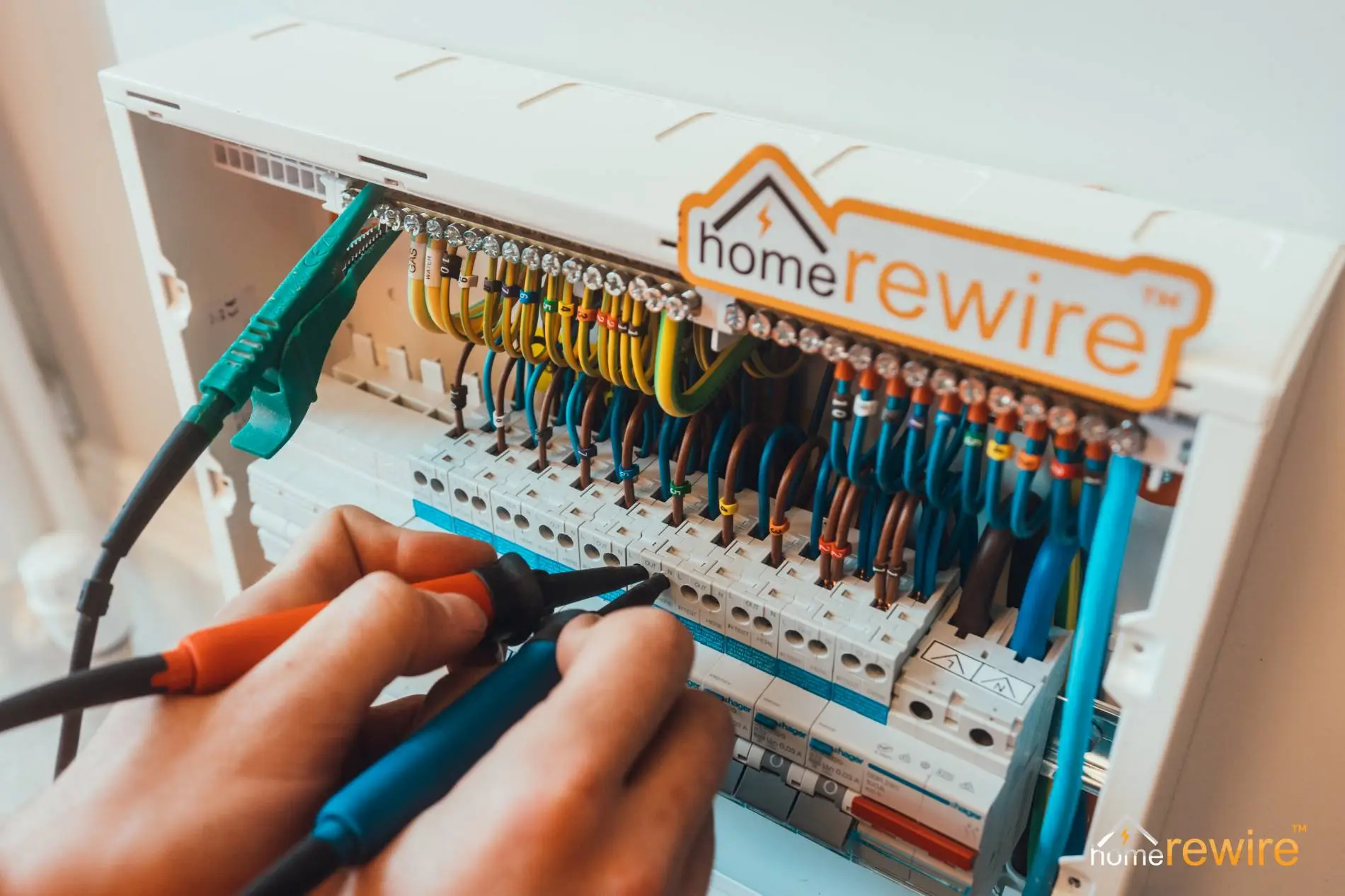
If your home has a modern consumer unit, there’s a good chance it already includes RCD protection. If it doesn’t, or if your system is outdated, it’s worth getting checked.
What Does RCD Mean?
RCD stands for Residual Current Device.
You may also hear it called a safety switch, but the job is the same. It monitors the flow of electricity in a circuit and reacts if it spots a difference between the electricity going out and the electricity coming back.
That difference usually means current is leaking to earth. In simple terms, electricity is going somewhere it shouldn’t.
How Does an RCD Work?
An RCD works by constantly comparing the live and neutral currents in a circuit.
Under normal conditions, the amount flowing out should match the amount flowing back. If there’s an imbalance, the RCD assumes electricity is escaping through a fault and disconnects the supply almost immediately. Rcd tripping causes in electrical systems can lead to power outages, which may disrupt essential services. Understanding these causes is crucial for maintaining system integrity and preventing unexpected disconnections. Regular maintenance and inspection can help identify potential faults before they trigger an RCD response.
That quick response is what makes it so useful. It can help reduce the risk of electric shock and lower the chance of electrical fires caused by earth faults.
Why Is an RCD Important?
An RCD adds a layer of protection that ordinary fuses and circuit breakers do not provide.
A fuse or breaker is mainly there to protect the wiring from overloads and short circuits. An RCD is there to protect people. It can detect faults that might otherwise go unnoticed until they become dangerous.
That’s why RCD protection is now standard in many parts of a modern UK home, especially for sockets, bathrooms, kitchens, outdoor circuits, and other areas where the risk is higher. Understanding scottish electrical safety compliance rules is crucial for ensuring a safe living environment. Homeowners in Scotland must familiarize themselves with these regulations, as they dictate the standards for electrical installations and maintenance. Adhering to these rules not only protects residents but also enhances the overall safety of electrical systems in homes.
Where Would You Find an RCD?
You’ll usually find an RCD inside the consumer unit, which many people still call the fuse box.
It may be a separate device with a test button, or it may be part of an RCBO, which combines RCD and circuit breaker protection in one unit. Newer consumer units often use RCBOs so each circuit has its own protection.
How Can You Tell If Your Home Has RCD Protection?
The easiest way is to look at the consumer unit.
If you see a button marked “Test” or “T”, that usually means there is RCD protection in place. You may also see labels showing which circuits are covered.
If your home has an older fuse box, or you’re not sure what you’re looking at, a qualified electrician can confirm whether your property has proper RCD protection. Fuse box tripping issues explained can help you understand why your lights flicker or why certain circuits shut off unexpectedly. Knowing the common causes can lead to a quicker resolution and prevent future problems. Furthermore, regular maintenance may be necessary to ensure the reliability of your electrical system.
What’s the Difference Between an RCD, a Fuse, and a Circuit Breaker?
| Device | What It Does | What It Protects Against |
|---|---|---|
| Fuse | Breaks the circuit when too much current flows | Overload and short circuit |
| Circuit breaker | Switches off automatically during a fault | Overload and short circuit |
| RCD | Detects electricity leaking to earth | Electric shock and earth faults |
They all protect the electrical system, but they do different jobs. An RCD is not a replacement for a fuse or breaker — it works alongside them.
Do All Homes Need an RCD?
Most modern UK homes should have RCD protection on at least some circuits, and many newer installations include it throughout.
Older homes may not have full RCD protection unless the consumer unit has been upgraded. If your property still has an old fuse box or dated consumer unit, it may not offer the level of protection expected in a modern installation.
Why RCD Protection Matters in Older Homes
Older properties often have older wiring, older accessories, and more patchwork changes over the years. That doesn’t automatically mean there’s a problem, but it does mean the electrical system may not have the same level of protection as a newer home. Common electrical issues in homes can often stem from outdated components that fail to meet current safety standards. Regular inspections are essential to identify any potential hazards early on. Homeowners should also consider upgrading their electrical systems to ensure safety and efficiency.
In Glasgow, that matters quite a bit. Plenty of older tenements and traditional homes still rely on outdated systems that were never designed for today’s electrical loads. When assessing the situation, homeowners often need a cost breakdown for house rewiring to understand the financial implications. This can help them prioritize which areas require immediate attention and which can be addressed later. Having a clear breakdown ensures that they can budget effectively while enhancing the safety and efficiency of their electrical systems. Understanding circuit breaker installation costs is equally crucial for homeowners. These costs can vary significantly based on the age of the existing electrical system and local labor rates. By getting accurate estimates, homeowners can make informed decisions about upgrades that may ultimately save them money and improve safety.
An RCD helps improve safety, but it doesn’t fix old wiring on its own. If the overall installation is ageing, the RCD may be only part of the answer.
Do RCDs Need Testing?
Yes. Most RCDs have a test button for a reason.
That button lets you check that the device is still working properly. It’s a simple test that should be carried out from time to time, following the manufacturer’s guidance or your electrician’s advice.
If the device fails to operate as expected, that’s a sign it needs attention.
When Should You Get an Electrician to Check Your RCD?
You should get your electrics checked if:
- your consumer unit looks old.
- you don’t know whether you have RCD protection.
- the test button doesn’t seem to work.
- your home has had electrical work done in the past and you’re unsure what was installed.
- you’re buying or renovating an older property.
A qualified electrician can tell you whether your setup is safe, whether upgrades are needed, and whether your consumer unit is doing the job it should.
FAQ
What does an RCD do in a house?
It protects people from electric shock by switching off the power if it detects current leaking to earth.
Is an RCD the same as a fuse?
No. A fuse protects against overloads and short circuits. An RCD protects against earth leakage and electric shock.
Does every home need an RCD?
Most modern homes should have RCD protection, but older homes may not unless the consumer unit has been upgraded.
Where is the RCD in my home?
It is usually in the consumer unit, often marked with a test button.
Can an RCD prevent fires?
It can help reduce the risk of electrical fires caused by earth faults, but it is mainly designed to protect people from electric shock.