7 Warning Signs Your Home Needs a Full Rewire in Scotland ⚡
Many homes across Scotland — particularly traditional and pre-1980s properties — still rely on ageing electrical systems. With colder climates, older building stock, and increasing electrical demand, outdated wiring can quickly become a serious safety risk.
If you own a property in Glasgow, Edinburgh, or anywhere else in Scotland, here are seven warning signs that your home may require a full electrical rewire.
1. Fuse Board Keeps Tripping

Frequent tripping often means your electrical system can’t cope with modern usage. Older Scottish homes were never designed to power today’s appliances, heating systems, and technology.
Persistent tripping is a clear sign the wiring may be overloaded or deteriorating.
2. Flickering or Dimming Lights

If lights dim when appliances switch on, this can indicate loose connections or insufficient cable capacity. In older stone-built properties, wiring routes and junctions are often hidden and difficult to access — making professional assessment essential.
3. Burning Smells or Warm Sockets
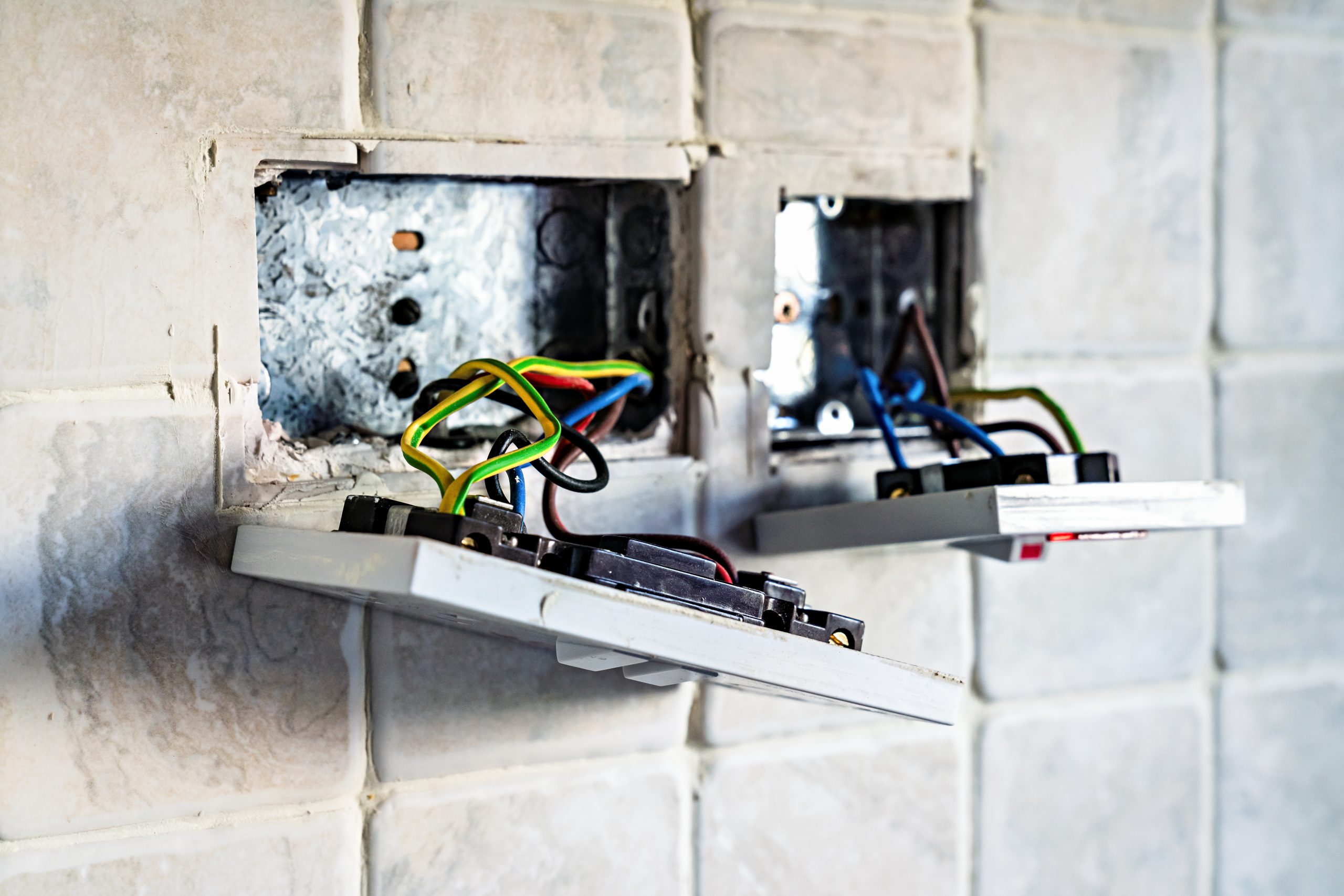
A burning smell, buzzing sound, or warm socket faceplate should never be ignored. These are signs of overheating wiring and pose a genuine fire risk.
If this occurs, stop using the affected circuit and contact a qualified electrician immediately.
4. Outdated Fuse Box or No RCD Protection
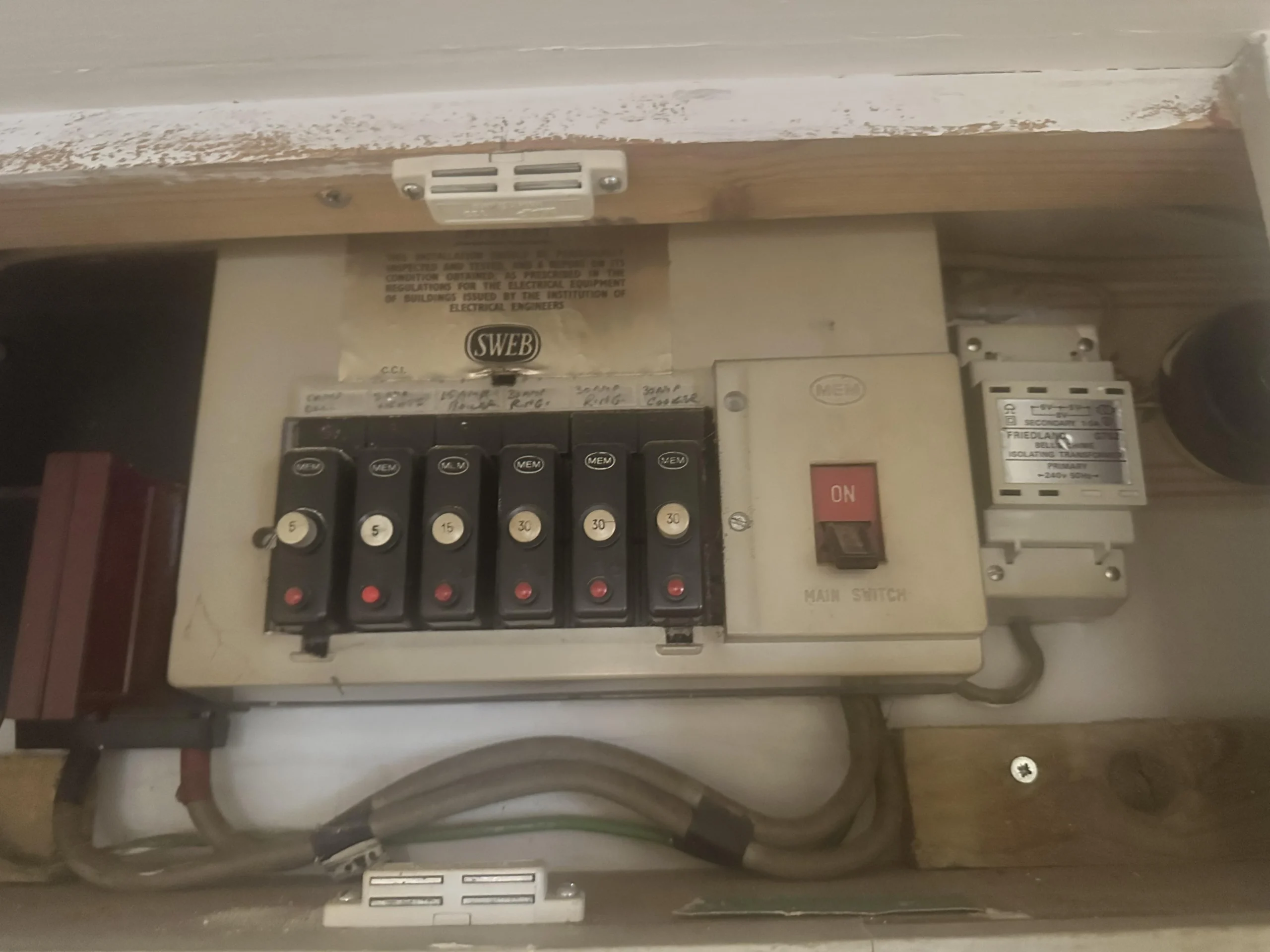
Many older Scottish homes still have dated fuse boards without modern safety features like RCDs. While upgrading the consumer unit improves safety, it may also highlight that the underlying wiring no longer meets current regulations.
5. Too Few Sockets or Heavy Use of Extensions
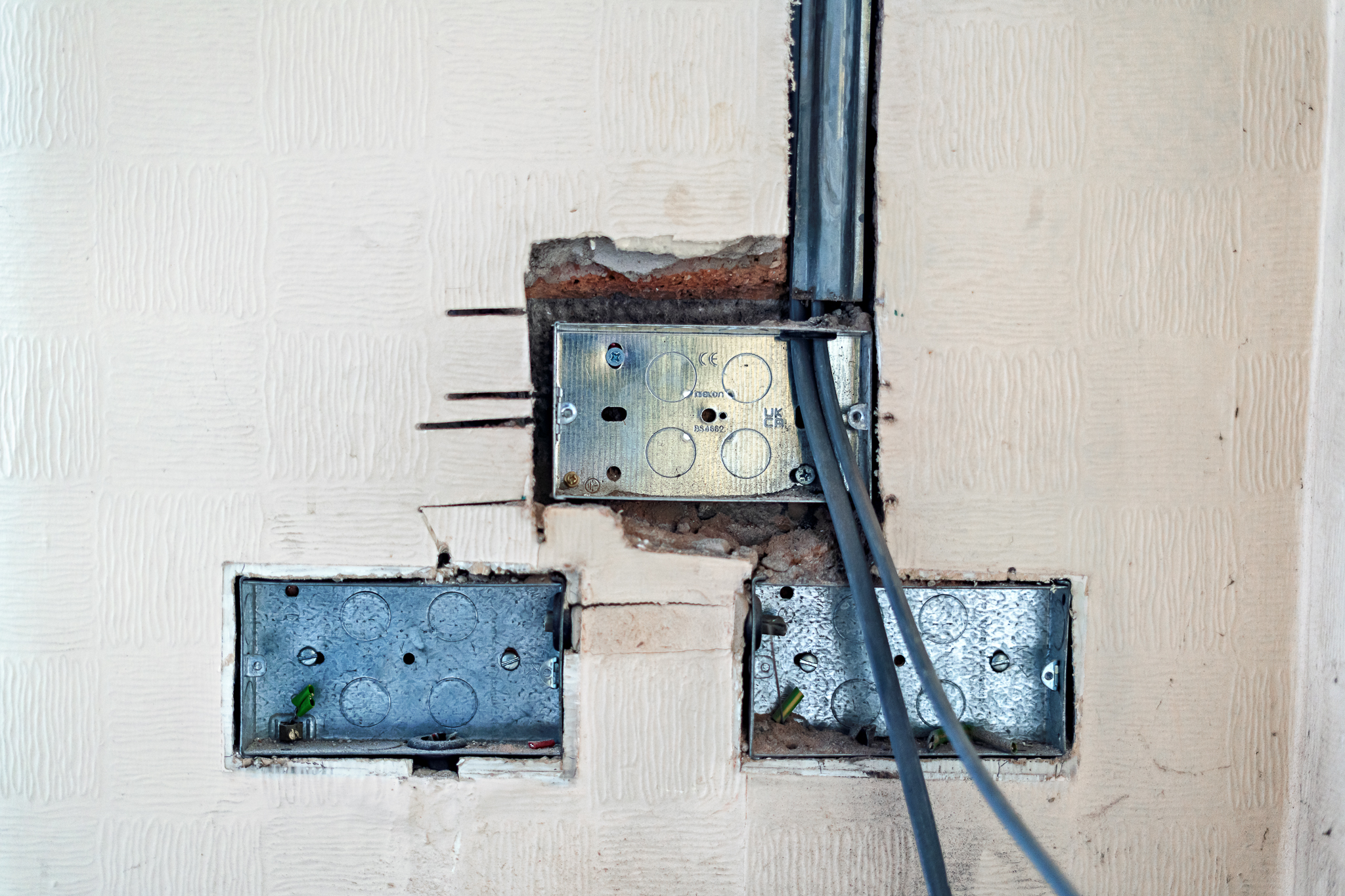
Older properties often lack sufficient sockets, leading to overuse of extension leads. This increases fire risk and usually indicates the electrical system hasn’t been modernised for contemporary living.
A full rewire allows sockets to be positioned where they’re actually needed.
6. Property Hasn’t Been Rewired in 25–30 Years
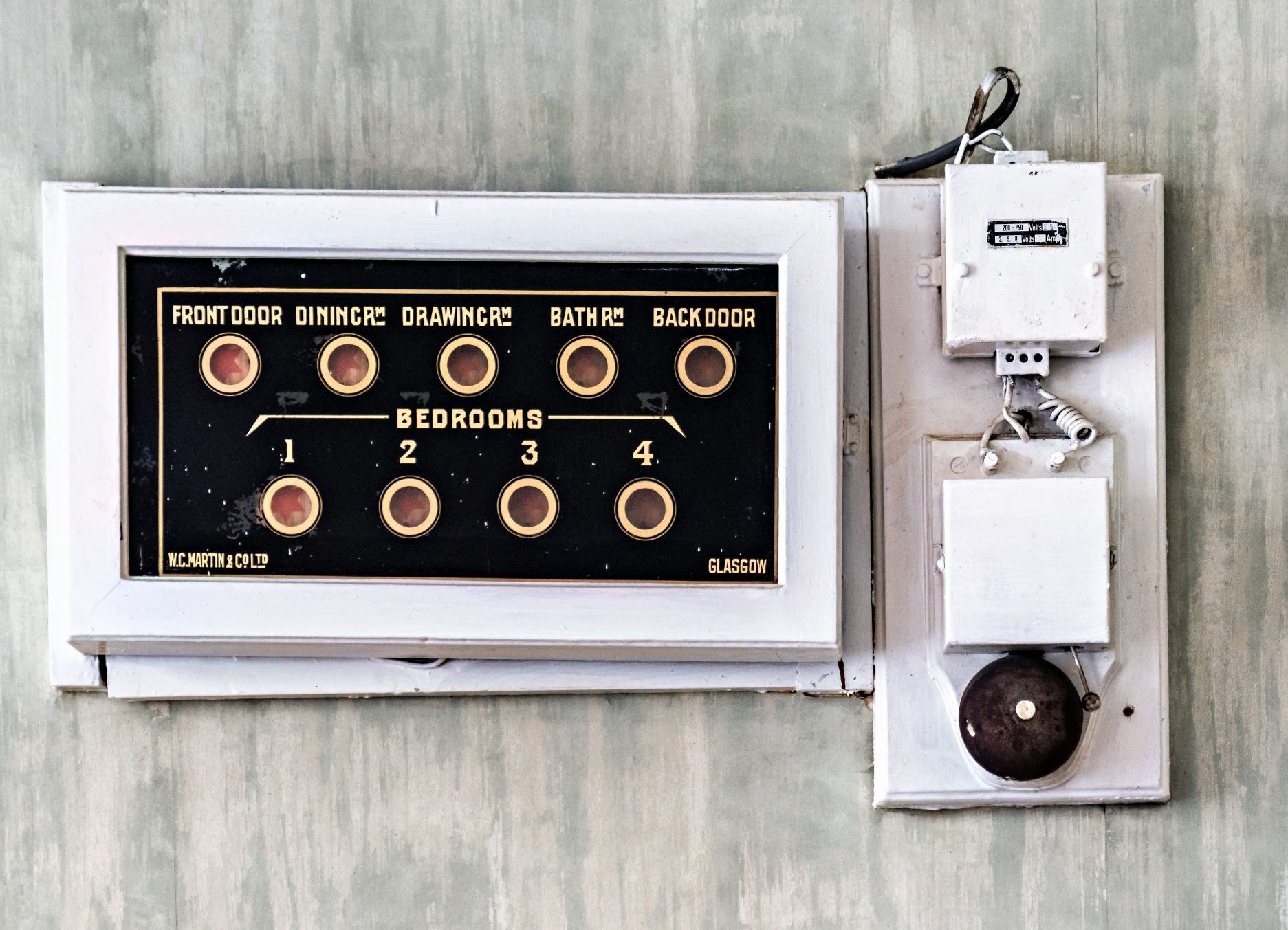
Electrical wiring degrades over time. If your home hasn’t been rewired in decades — even if it appears to work — insulation breakdown and hidden faults are common.
This is especially relevant in traditional tenements, period villas, and listed buildings found throughout Scotland.
7. You’re Renovating or Extending
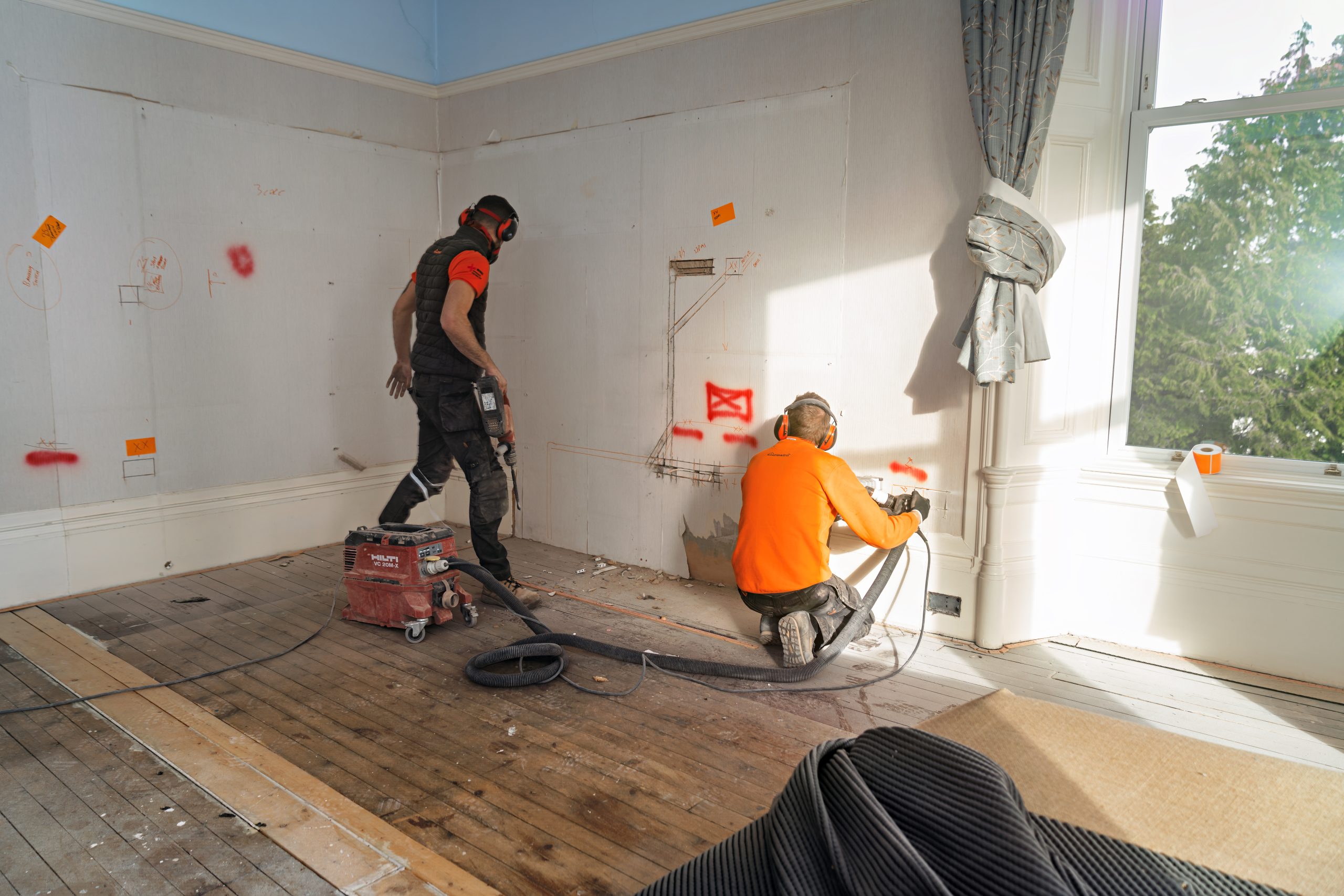
If you’re renovating, rewiring at the same time is the most cost-effective approach. With floors lifted and walls opened, disruption is reduced and the result is a fully compliant, future-proof electrical system.
Why Rewiring Is Important in Scottish Homes
A full rewire improves safety, ensures compliance with current UK regulations, supports modern electrical demand, and adds long-term value to your property. It also eliminates hidden risks that inspections alone can’t always resolve.
Unsure If Your Scottish Property Needs a Rewire?
A professional electrical assessment can confirm whether your home requires a full rewire or targeted upgrades. Early action helps avoid emergency repairs, insurance issues, and safety hazards.
If your property is showing any of these signs, arranging an inspection is the safest next step to protect your home and everyone in it.