
What Is an RCD and Why Does It Keep Tripping?
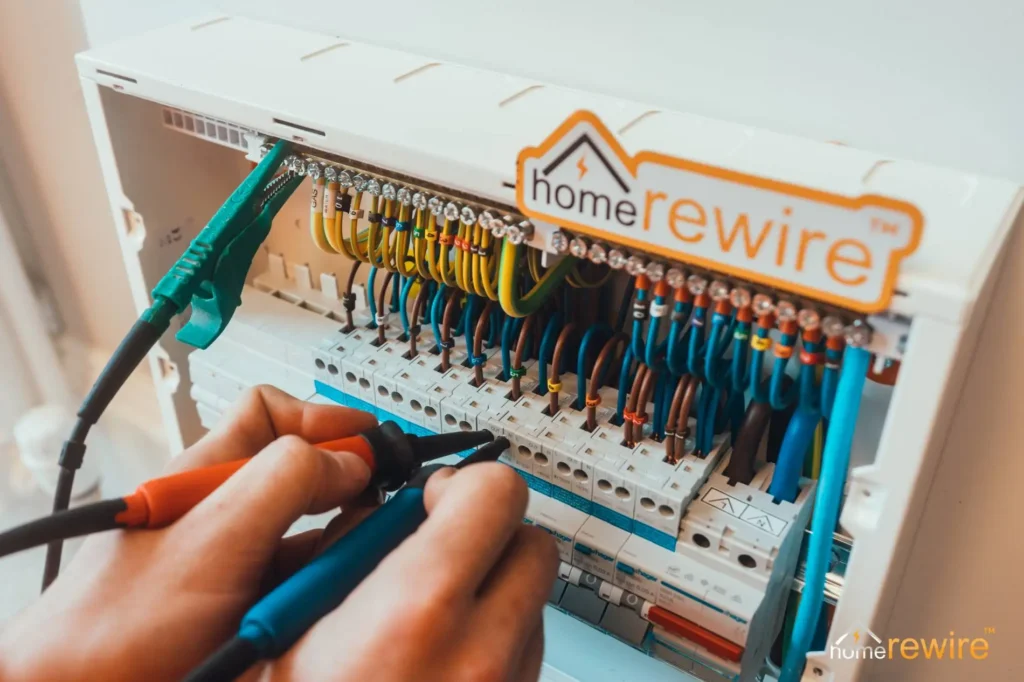
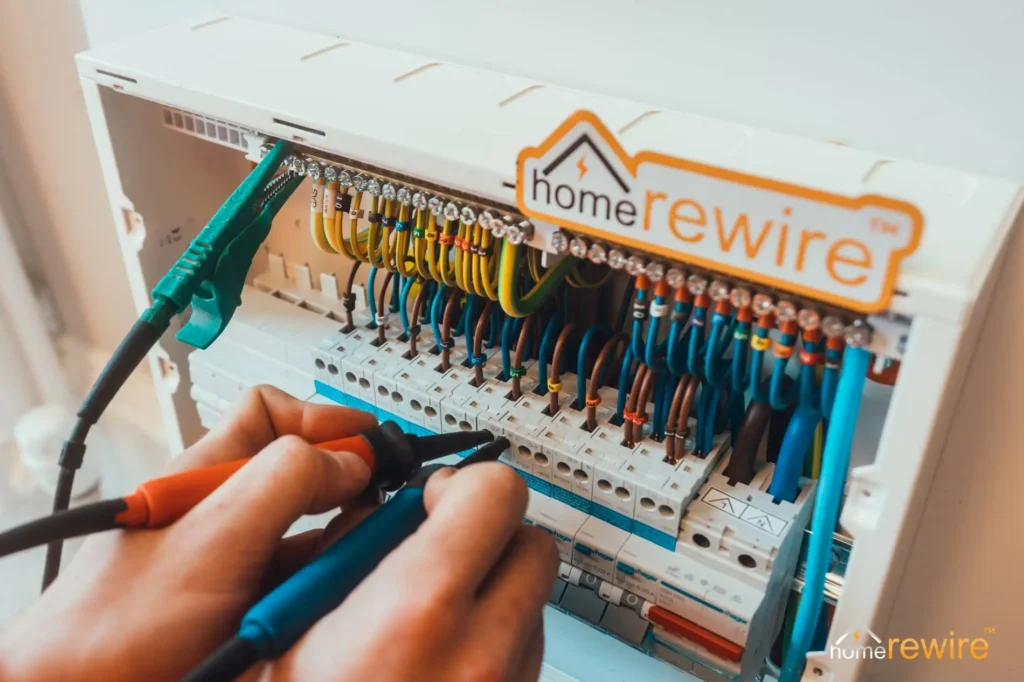
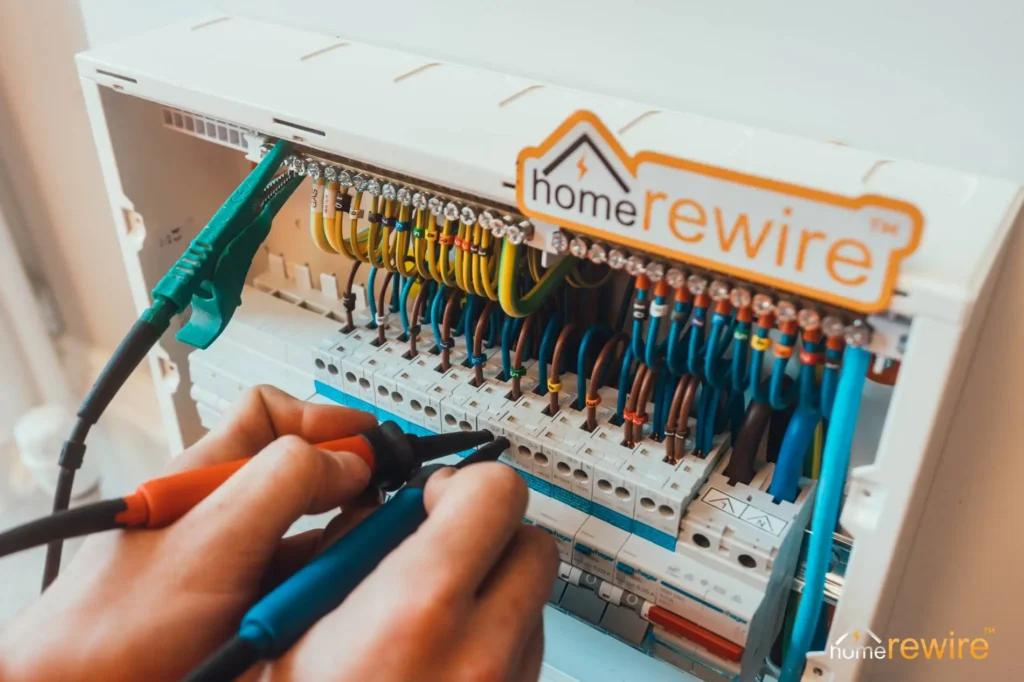
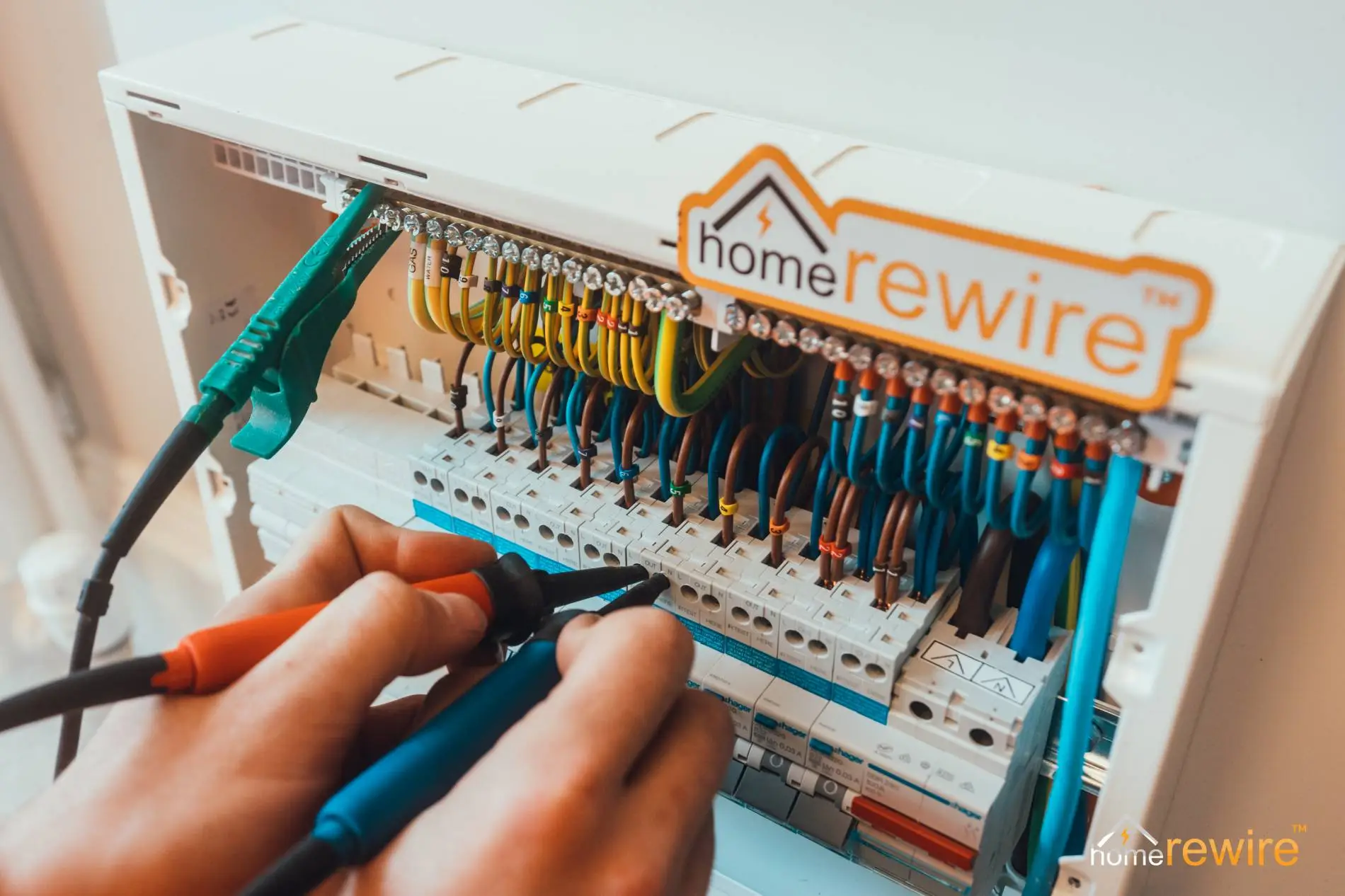
An RCD—Residual Current Device—is a safety switch inside your consumer unit that monitors electrical current flowing through your circuits. When it detects current leaking to earth (even a tiny amount), it cuts power in milliseconds. This protects against electrocution and electrical fires.
When an RCD trips repeatedly, it means it keeps detecting that earth leakage. The device itself is working correctly—the problem is whatever is causing the leak.
What Are the Most Common Causes of RCD Tripping in the UK?
Faulty appliances are the most frequent culprit by some distance. Heating elements in kettles, washing machines, dishwashers, and ovens degrade over time. As the element deteriorates, it starts leaking small amounts of current to earth—enough for the RCD to detect and trip, but not always enough to make the appliance stop working entirely. This is why your washing machine might seem fine while your RCD keeps cutting out.
Moisture ingress is particularly common in outdoor circuits. Garden sockets, exterior lighting, pond pumps, and outbuildings are all exposed to rain and damp. Water is an excellent conductor—even a small amount inside an outdoor socket or fitting creates a leakage path that triggers the RCD instantly.
Damaged or degraded wiring causes earth leakage when insulation breaks down and live conductors make partial contact with earth paths. Frayed cables, rodent damage, cables that have been nailed through during DIY work, or simply old wiring past its safe operating life all create the conditions for persistent RCD tripping.
Overloaded circuits can contribute too. Running too many high-demand appliances simultaneously generates heat that stresses wiring and connections. Over time this accelerates insulation breakdown, increasing leakage current.
Intermittent faults are the most maddening version of this problem. A faulty appliance might only leak current when it reaches a certain temperature, when a specific component activates, or when moisture is present. The RCD trips seemingly at random, the appliance appears fine when tested, and the problem seems impossible to pin down. These intermittent leakage faults require methodical troubleshooting—or professional testing equipment.
How to Identify Which RCD Is Tripping
Modern consumer units typically have two or more RCDs covering different circuits. Before troubleshooting, identify which RCD has tripped and which circuits it covers.
| RCD Position | Circuits Typically Covered | Common Causes of Tripping |
|---|---|---|
| RCD 1 (left side) | Upstairs sockets, lighting | Bedroom appliances, light fittings, loft wiring |
| RCD 2 (right side) | Downstairs sockets, kitchen | Kitchen appliances, heating elements, dishwasher |
| Dedicated RCD | Outdoor circuits, shower, cooker | Moisture ingress, heating element failure |
| RCBO (individual) | Single protected circuit | Fault isolated to that specific circuit |
Knowing which RCD tripped tells you immediately which area of your home to investigate first.
How to Troubleshoot a Tripping RCD: Step by Step
Your RCD trips. The lights go out. You reset it, everything comes back on—then it trips again an hour later. It’s one of the most frustrating electrical problems homeowners deal with, partly because the cause isn’t always obvious.
Step one—unplug everything. Go around every room covered by the tripped RCD and unplug all appliances. Don’t just switch them off at the socket—unplug them physically. This includes anything on standby: TVs, phone chargers, kitchen appliances, lamps.
Step two—reset the RCD. Go to your consumer unit and switch the tripped RCD back to the on position. If it immediately trips again with everything unplugged, you have a permanent wiring fault rather than an appliance issue. Stop here and call an electrician—this requires professional diagnosis.
Step three—test appliances one at a time. If the RCD stays on with everything unplugged, plug appliances back in one at a time and wait a minute or two between each. When the RCD trips again, the last appliance you plugged in is almost certainly the cause. Unplug it, reset the RCD, and keep that appliance disconnected until it’s been repaired or replaced.
Step four—check lighting circuits separately. If the RCD trips on a lighting circuit, turn off all light switches first, reset the RCD, then turn switches on one at a time. When the circuit trips, the last switch you turned on identifies the problematic light fitting or lamp.
Step five—check outdoor circuits. If you have garden sockets, exterior lights, or outbuilding circuits, inspect them for obvious moisture ingress. Check that outdoor socket covers are properly closed. After heavy rain, outdoor RCD tripping is common and often resolves once fittings dry out—though persistent moisture problems need professional attention.
What to Do If the RCD Trips With Everything Unplugged
This is the scenario that takes the problem out of DIY territory. If your RCD trips immediately after resetting with every appliance unplugged, the fault is in the wiring itself—not any device connected to it.
Wiring faults causing persistent RCD trips include damaged cable insulation creating an earth leakage path, moisture inside buried or outdoor wiring, failed insulation in older properties, or a connection fault inside the consumer unit itself. None of these are diagnosable or fixable without professional testing equipment. Fuse box tripping causes and solutions can often be traced back to specific issues within the electrical system. Identifying the root cause is essential for determining the appropriate remedy. It is advisable to consult a licensed electrician to accurately assess the situation and provide effective solutions.
An electrician will use an insulation resistance tester to identify exactly where the fault is located and determine whether targeted repair or rewiring is needed.
Which Appliances Most Commonly Trip RCDs?
| Appliance | Why It Causes Tripping | What to Do |
|---|---|---|
| Washing machine | Degraded heating element leaking to earth | Test in isolation, replace element or machine |
| Dishwasher | Heating element failure or moisture ingress | Unplug and test; often needs element replacement |
| Kettle | Element deterioration | Replace—kettles are inexpensive, don’t persist with a faulty one |
| Electric oven/cooker | Element breakdown under heat | Professional appliance repair or replacement |
| Garden equipment | Moisture ingress, damaged cables | Inspect cables, check outdoor socket integrity |
| Electric shower | Heating element or moisture fault | Professional inspection—shower circuits need qualified work |
| Lamps and light fittings | Incorrect bulb, water ingress, worn fitting | Check bulb type, inspect fitting for moisture |
How much does it cost to fix an RCD tripping problem?
If a faulty appliance is the cause, the cost is simply replacing that appliance. If an electrician needs to diagnose a wiring fault, a call-out and inspection typically costs £50 to £150 depending on the electrician and time required. This doesnt include the cost to change a consumer unit which may be required if faulty.
If rewiring is needed to address the underlying fault, rewiring costs depend on the extent of work required—from a single circuit replacement to a full rewire for older properties.
Does a Tripping RCD Mean You Need a Rewire?
Not always—but sometimes yes. Whether you need to rewire a house depends on what’s causing the tripping.
If a faulty appliance is the culprit, replacing or repairing that appliance solves the problem entirely. No rewiring needed. If moisture in an outdoor socket is the cause, addressing the moisture ingress and potentially replacing the socket resolves it.
But if the RCD trips with all appliances unplugged—pointing to a wiring fault—or if multiple circuits are affected, or if your home has old wiring that’s degrading throughout, rewiring becomes the appropriate solution. You can’t repair deteriorated insulation; you have to replace the wire. Flickering lights troubleshooting tips can also help identify issues before they escalate. It’s essential to investigate potential causes, such as loose connections or faulty switches. Regular maintenance can prevent further complications and improve overall safety.
| Cause of RCD Tripping | Rewire Needed? |
|---|---|
| Single faulty appliance identified | No—replace the appliance |
| Moisture in outdoor socket or fitting | No—address moisture, replace socket if damaged |
| Damaged cable in a specific location | Possibly—targeted repair or circuit replacement |
| RCD trips with all appliances unplugged | Likely—wiring fault requires professional diagnosis |
| Multiple circuits affected | Possibly—systemic wiring issues may require rewiring |
| Old rubber or fabric-insulated wiring | Yes—insulation breakdown is the cause and won’t improve |
| Persistent intermittent faults despite repairs | Likely—wiring degradation throughout the property |
Can a Tripping RCD Damage Appliances?
Yes, though the greater concern runs the other way—faulty appliances are more likely to cause RCD tripping than repeated tripping is to damage appliances. That said, frequent sudden power cuts to appliances mid-cycle aren’t ideal. Washing machines interrupted during a cycle, computers losing power unexpectedly, and refrigerators regularly losing power can all suffer over time from repeated sudden shutoffs.
Address the underlying cause rather than treating RCD trips as something to manage or work around.
When Is a Tripping RCD a Safety Emergency?
Most RCD tripping is frustrating rather than immediately dangerous—the RCD is doing its job by cutting power when it detects a fault. But certain accompanying signs indicate you need an electrician the same day rather than at your convenience.
Call immediately if you notice burning smells near the consumer unit or outlets, scorch marks around sockets or switches, the RCD feels warm to the touch, you hear crackling or buzzing from the consumer unit, or the RCD won’t stay on even briefly after resetting. These signs suggest arcing or active overheating rather than simple earth leakage—and that’s a fire risk, not just an inconvenience. You should also be aware of the signs of electrical fire hazards that might develop over time. Regular inspections of wiring and outlets can help identify potential issues before they escalate. Taking proactive measures will not only ensure your safety but also protect your property from serious damage.
Can You Have Too Many RCD Trips Before It Becomes a Problem?
An RCD that trips frequently won’t wear out from the tripping itself—these devices are designed for repeated operation. But persistent tripping means a persistent fault. Every time the RCD trips because of a wiring fault or failing appliance, that fault is still present. The RCD stops the immediate danger; it doesn’t fix the underlying cause.
Think of repeated RCD tripping like a smoke alarm going off repeatedly. The alarm is working. But the question is what keeps triggering it—and that’s what needs addressing. Understanding residual current devices can help identify the underlying issues causing frequent tripping. By recognizing the signs and symptoms of electrical faults, homeowners can take timely action. It’s crucial to consult a professional if the problem persists, as they can provide a thorough inspection and recommend appropriate solutions.
Do Older Homes Have More RCD Tripping Problems?
Generally, yes. Homes built before the 1990s often didn’t have RCD protection at all in their original installation. When these properties are updated with modern consumer units (including RCDs), the new safety devices start detecting earth leakage from aging wiring that was never previously tested in this way.
This is why some homeowners find that a new consumer unit upgrade seems to cause more tripping—it’s not the new consumer unit creating faults. It’s the new RCD detecting faults that already existed in the wiring. In these cases, the RCD is flagging wiring that’s reached the end of its safe operating life. Rewiring becomes the appropriate next step.
FAQ: RCD Tripping, Causes, and Solutions
Why does my RCD keep tripping at night?
Appliances that run on timers or cycles activate at night—washing machines, dishwashers, storage heaters, and fridges that run defrost cycles. If the tripping correlates with a specific time, check which appliance is running at that point. Fridges and freezers running defrost cycles are a surprisingly common cause of nighttime RCD tripping.
Why does my RCD trip when it rains?
Moisture is getting into an outdoor circuit—garden sockets, exterior lighting, outbuilding wiring, or buried cables. Water creates an earth leakage path that trips the RCD. After rain stops and fittings dry, it often resolves temporarily. But if this happens repeatedly, the outdoor circuit needs professional inspection and likely socket or cable replacement.
Can a light bulb cause an RCD to trip?
Yes. Incorrect bulb types in certain fittings, faulty bulbs, or moisture inside bathroom or outdoor light fittings can all cause RCD tripping. Turn off all lights on the affected circuit, reset the RCD, then turn lights on one at a time to identify the culprit fitting.
My RCD trips but then stays on after resetting—what does this mean?
An intermittent fault. Something on that circuit is leaking current under specific conditions—when it reaches operating temperature, when a particular component activates, or when moisture is present. The methodical unplug-and-test approach usually identifies the appliance. If no appliance is identified, the fault is in the wiring itself and needs professional testing.
Is it safe to keep resetting an RCD?
Short term, resetting is fine—the device is designed for repeated operation. But if you’re resetting it repeatedly without identifying and fixing the cause, you’re working around a fault rather than solving it. Eventually that fault will worsen. Get it properly diagnosed.
If your RCD keeps tripping and you haven’t been able to identify a faulty appliance, or if it trips immediately with everything unplugged, the fault is in your wiring and needs professional diagnosis. Home Rewire Glasgow offers free electrical inspections across Glasgow—we’ll identify the cause of your RCD tripping, tell you honestly whether you need a repair or a rewire, and sort it properly. Contact us today for a no-obligation assessment.